–Attorney General says decision raises concerns over bias, conflict of interest and violation of natural justice
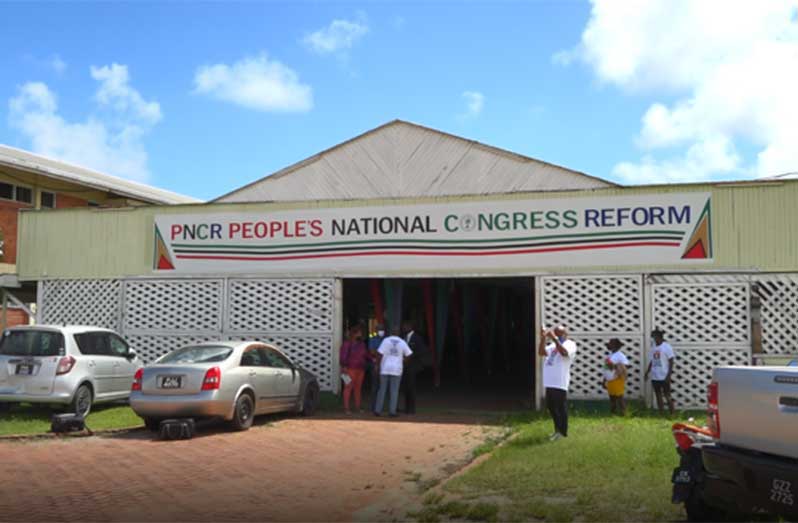
ATTORNEY General and Minister of Legal Affairs, Anil Nandlall, SC, has called for an investigation into the Georgetown City Council’s decision to substantially reduce a multi-billion-dollar rates and taxes bill associated with Congress Place, the headquarters of the People’s National Congress Reform (PNCR).
Nandlall, during his weekly programme Issues in the News, described the decision as “absolutely illegal” and questioned whether the council could lawfully reduce the outstanding debt owed on the property significantly.
The Attorney General said the decision raises serious concerns about bias, conflict of interest and natural justice, particularly given the political relationship between the council and the entity associated with the property.
“The decision cannot stand,” Nandlall said.
As such, he argued that the City Council could not use its authority to selectively write off taxes owed by an entity linked to its political leadership.
His comments came following reports that the council has cleared the way for the PNCR to settle the rates and taxes associated with Congress Place for roughly $30 million, despite the debt reportedly having accumulated to billions of dollars.
The property is held by Maikwak Limited, a company associated with the PNCR, and the issue has been the subject of increasing scrutiny following disclosures that the outstanding bill had reached more than $6.7 billion.
According to a previous report, Georgetown Mayor, Alfred Mentore has confirmed that approximately $30 million was the sum agreed upon between the party and City Hall, while maintaining that the arrangement was not an exemption from rates and taxes.
Mentore had also defended the arrangement as being consistent with past practices at City Hall, pointing to instances where properties have benefited from reduced or negotiated rates.
However, Nandlall rejected the notion that such considerations could justify the decision, arguing that public authorities must exercise their powers impartially.
Against this backdrop, he contended that the matter could be taken before the courts, noting that any taxpayer could initiate legal proceedings to challenge the council’s decision.
“Any taxpayer can file legal proceedings tomorrow to quash this decision,” Nandlall said.
He also linked the issue to recent court proceedings concerning bias in the exercise of public authority, arguing that the circumstances surrounding the City Council’s decision warrant close examination.