-says legislation must modernise sector to boost economic activity while curbing addiction
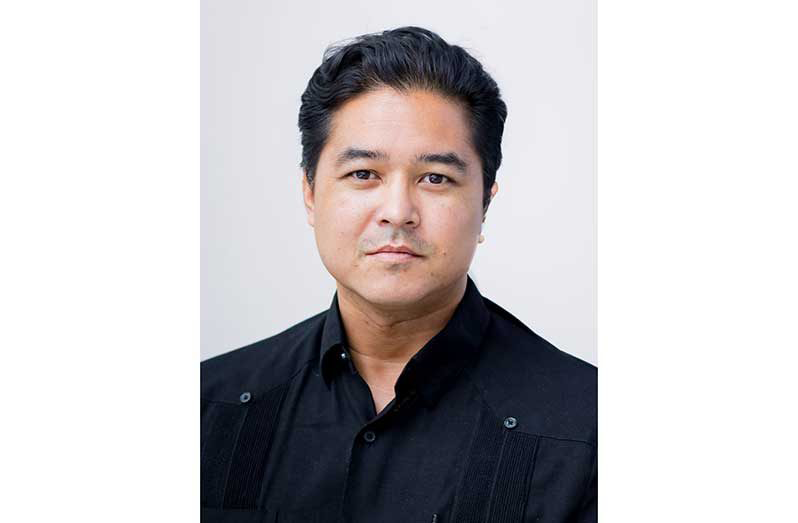
THE Private Sector Commission (PSC) has welcomed the move to modernise Guyana’s gaming sector, with its Chairman, Captain Gerald Gouveia Jr stressing that the industry must be given room to grow while operating within a strong regulatory framework.
Gouveia, speaking during the most recent episode of the ‘Starting Point’ podcast, said the proposed Guyana Gaming Authority Bill provides an opportunity to bring the gambling industry under a more modern and responsible system, while recognising the economic potential of the sector.
Speaking on the role and importance of the bill amid the growth of the industry, Gouveia noted that like all other sectors experiencing growth, modern policies and frameworks are needed to ensure the continued development of the industry.
“Any industry in Guyana needs to be controlled and enhanced and given the chance to grow, but within a regulated framework, especially in the gambling industry,” he said.
The Guyana Gaming Authority Bill of 2026, which was recently tabled in the National Assembly by Minister of Legal Affairs and Attorney General Anil Nandlall, seeks to establish a comprehensive framework for the licensing, regulation, supervision, taxation, and control of gaming, betting, and wagering activities.
The proposed legislation would strengthen the oversight of casinos, gaming lounges, betting shops, betting shop agents, remote gaming platforms, and simulcast horse racing, while also providing for the regulation of gaming equipment.
Gouveia acknowledged that while gambling can bring significant economic benefits, the industry also presents challenges that must be addressed through effective regulation.
“Whilst it does have massive economic upsides for any country it goes into, it does have a lot of challenges, whether that is AML challenges, gambling addiction, whether that is being accessible to vulnerable people or young children or stuff like that,” he said.
Moreover, the bill includes provisions aimed at addressing some of these concerns, including anti-money laundering and countering the financing of terrorism obligations, administrative penalties, and enforcement measures for breaches of the law. It also proposes the establishment of a Responsible Gaming Fund, alongside measures intended to promote responsible gaming and strengthen protections for vulnerable persons.
According to Gouveia, these safeguards will be important in ensuring that economic development within the sector does not come at the expense of communities.
“We have to make sure that as we’re promoting the economic activity, which can be substantial, we are doing it in a responsible way that is not harming our community,” he said.
The PSC Chairman also highlighted gambling addiction as one of the major risks that must be managed as the sector expands, particularly as betting becomes increasingly accessible through mobile applications and other platforms.
“I think that this bill really starts to outline the protections it is putting in place for young people, protections it is putting in place for the vulnerable, protections that really start to limit or help to curb the ability to become addicted to gambling,” Gouveia emphasised.
He further noted that gambling can become highly addictive when not properly managed, making community awareness and responsible practices important aspects of the new regulatory framework.
The proposed legislation comes amid growing concerns over the expansion of betting operations across Guyana, including mobile betting platforms and neighbourhood gaming outlets. Religious organisations have also raised concerns over the social impact of gambling addiction, particularly its effects on families, finances, and relationships.
While the government has maintained that it does not intend to prohibit gambling, it has signalled its intention to place the industry under stricter regulation and taxation while discouraging excessive gambling.
According to Gouveia, the challenge will be to strike a balance between allowing the industry to contribute to the economy while ensuring that adequate safeguards are in place, as he noted, “I think that we have to work with our communities to make sure that while it’s good for the economy, it does not hurt the social fabric of our community,” he said.