SOMETIMES, when we examine the not-so-distant past, we hear echoes of thoughts that have remained unchanged. This familiarity encourages us to look more closely at what was said and done, drawing upon our memories of the past and our understanding of what we know today.
I often return to the habit of reading and questioning, which was instilled in me by my relatives, the godparents who raised me and my teachers. Reading and spelling were important parts of the school timetable, and they empowered those of us from that generation to read and write about memories of the past, the events of the present and even the occasional Valentine’s letter to a convenient little class miss.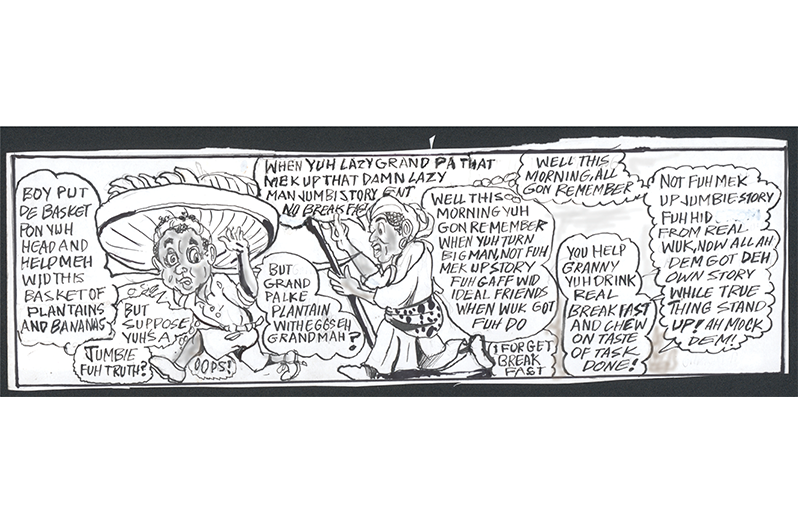
One of my teachers once told me that every idea that awakens within us is an ancestral whisper offered in our own interest. It may be a warning or a call to awareness, telling us to pay attention. It may also caution us to withhold our words until we have considered whether the time is right, whether our reasoning is sound or whether the unease we feel is a sign that we need to explore the matter further. It is better to reflect before regret passes judgement.
Over the years, I have concluded that the need for learning at home differs from one household to another. Families face different circumstances, and sometimes there are more obstacles than willpower. This is why the traditional practices of reading and storytelling remain effective tools, although they appear to be fading from many schools and homes. They should not be ignored or diluted.
If we fail to preserve these practices, we will eventually pay other, more dismal dues. We live in a changing world whose values have seeped into our homes and communities. Some people no longer seem to care, while others are simply too burdened or stressed to do so.
Whether or not we fully understand what is happening, we are all affected.