
RESEARCHERS from leading universities in Canada, Guyana and France have established a new international collaboration to strengthen the diagnosis, molecular characterisation and surveillance of cutaneous leishmaniasis, an emerging vector-borne disease affecting communities across the Guiana Shield.
The partnership brings together experts from the Universities of Calgary, Montréal and Waterloo, the University of Guyana and institutions in France to improve laboratory capacity, identify circulating parasite species, detect drug-resistant strains and strengthen disease surveillance across the region.
Speaking on the significance of the initiative, Minister of Health Dr Frank Anthony, said Guyana records about 30 cases of cutaneous leishmaniasis annually and expressed confidence that the research could provide valuable insights to help eliminate the disease, locally.
Cutaneous leishmaniasis is caused by Leishmania parasites and is transmitted through the bite of infected female sand flies.
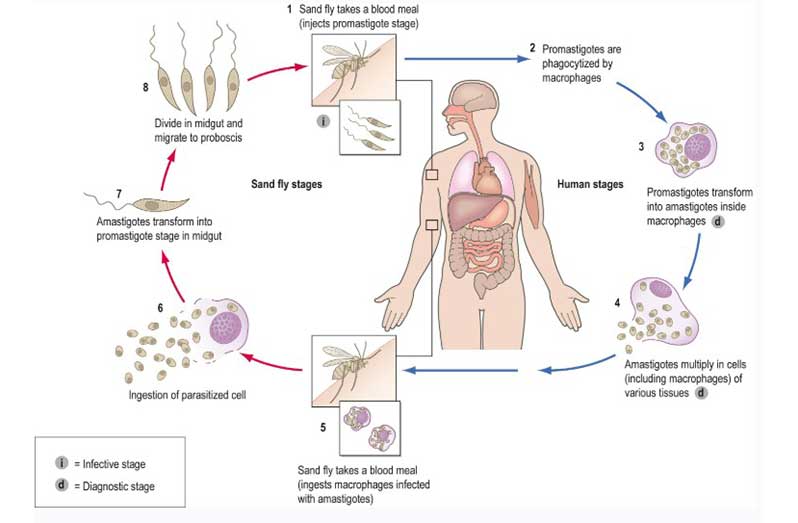
The disease is endemic in parts of Central and South America, including Guyana, and typically affects people living or working in forested areas, such as miners, loggers, members of the disciplined services and hinterland residents.
The most common form begins as a painless skin lesion that gradually develops into an ulcer, often on exposed parts of the body such as the face, arms and legs. If left untreated, the disease can leave permanent scarring.
Minister Anthony said the predominant species found in Guyana is Leishmania (Viannia) guyanensis, although L. braziliensis is also present. He noted that healthcare providers should suspect the disease in patients with chronic painless skin ulcers, particularly those who have travelled to or reside in endemic forested regions and who fail to respond to antibiotic treatment.
According to a press release, the collaboration was initiated after researchers recognised the urgent need to strengthen laboratory capacity and molecular surveillance in Guyana.
The project is being coordinated by Dr Rita Persaud of Wilfrid Laurier University, Canada, in partnership with Professor Rajini Kurup, Dean of the College of Medical Sciences at the University of Guyana, and Professor Jimmy Naipaul of the International Executive School in Strasbourg, France.
The international team also includes Dr Nathan Peters of the University of Calgary’s Cumming School of Medicine; Dr Christopher Fernandez-Prada and Dr Ana Victoria Ibarra Meneses of the Université de Montréal; and Dr David Langlais of McGill University, whose laboratory will lead the molecular and genomic characterisation of Leishmania isolates.
Working closely with Guyana’s Ministry of Health, the researchers will coordinate disease surveillance, strengthen laboratory systems and undertake scientific studies across affected regions.
The collaboration will also focus on improving molecular diagnosis, identifying Leishmania species circulating in Guyana and neighbouring countries, detecting genetic markers associated with drug resistance, developing standardised laboratory protocols and supporting future research into therapeutics, vaccine targets and public-health interventions.
Clinical samples collected in Guyana will undergo advanced molecular and genomic analysis at collaborating Canadian laboratories under approved Material Transfer Agreements and in accordance with national and international ethical and biosafety standards.
Researchers said the long-term partnership is expected to strengthen scientific capacity, attract competitive research funding and improve the diagnosis, surveillance and management of leishmaniasis throughout the Guiana Shield, while fostering closer collaboration between universities, healthcare institutions and government agencies.