GUYANA’S Permanent Representative to the United Nations, Ambassador Carolyn Rodrigues-Birkett, has called on Guyanese at home and abroad to honour the legacy of Emancipation by continuing the fight for reparatory justice, strengthening national unity and building a country where all citizens can thrive.
Her appeal came as the nation continues to mourn the victims of the recent MV Barima tragedy.
Delivering the keynote address at Guyana’s Emancipation Day observance at Medgar Evers College in Brooklyn on Thursday evening, Ambassador Rodrigues-Birkett said this year’s commemoration comes at an especially painful moment, following what she described as the country’s worst maritime disaster in recent history.
Before reflecting on the significance of the 188th anniversary of Emancipation, she acknowledged the lives lost in the sinking of the MV Barima and extended condolences to grieving families.
“I crave your indulgence before going further into my remarks to acknowledge that we are meeting at a time when our country has experienced the worst maritime disaster in recent history,” she said.
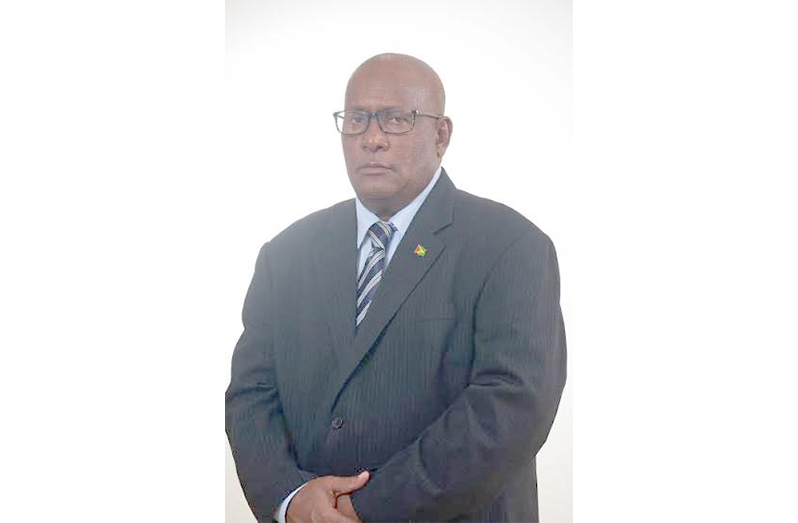
Rodrigues-Birkett noted that President, Dr Irfaan Ali has already announced the establishment of a Commission of Inquiry into the disaster and gave the assurance that every necessary form of assistance would be provided to survivors and the families of those who died.
“I extend my condolences to the relatives and loved ones of those who perished, recognising that words cannot heal the deep sorrow they are enduring and will continue to endure.”
Against that backdrop of national mourning, the ambassador urged Guyanese not to lose sight of the significance of Emancipation, describing it as one of the defining moments in the country’s history and a reminder of the extraordinary sacrifices made by African ancestors.
She said, “As I extend Emancipation greetings to everyone, I especially greet our African-Guyanese sisters and brothers. Your mere presence here today demonstrates the strength and determination of your ancestors. They live through you.”
She reminded the audience that the emancipation won by African ancestors ultimately ensured that no other ethnic group in Guyana would ever experience slavery.
Rodrigues-Birkett said commemorations provide an opportunity to confront the horrors of slavery and remember those who endured unimaginable suffering during the transatlantic slave trade.
She noted that many Africans died before even completing the journey across the Atlantic, while those who survived were stripped of their languages, cultures and identities before being forced into unpaid labour for more than two centuries.
“Our African-Guyanese brothers and sisters are the only Guyanese whose ancestors suffered a deliberate and forceful erasure of their way of life, language and culture, all while being made to work for free for over 200 years,” she said.
Because of both the scale and duration of those atrocities, she described slavery as “the greatest crime against humanity.”
Rodrigues-Birkett said those historical injustices make reparatory justice an unfinished global obligation.
UNFINISHED BUSINESS
“It is for this reason that the unfinished business of reparation must be addressed, as the effects of slavery run deep in our societies across the Caribbean,” she said.
She stressed that the Caribbean’s campaign for reparations is not motivated by financial gain.
“Reparations is [sic] not about asking for ‘free money’; it is about justice, and this is what we seek,” she declared.
The ambassador welcomed recent apologies issued by some countries and institutions that benefitted from slavery, but argued that apologies alone cannot resolve centuries of injustice.
“We welcome this development, but apologising is just a first step,” she said.
Rodrigues-Birkett highlighted growing international support for reparatory justice, pointing to the landmark United Nations General Assembly resolution adopted earlier this year recognising the transatlantic slave trade and the enslavement of Africans as the gravest crime against humanity.
She recalled that the resolution, tabled by Ghana on behalf of the African Union, received the support of 123 countries, while only three voted against it and 52 abstained.
Guyana voted in favour of the measure and, she said, will continue advocating alongside Caribbean nations for reparatory justice and stronger international recognition of the rights of people of African descent.
She also reaffirmed Guyana’s support for the Second International Decade for People of African Descent, which began on January 1, 2025, and aims to advance equality, recognition and justice for people of African descent worldwide.
While acknowledging that the road to reparations will not be easy, Rodrigues-Birkett urged Guyanese to draw inspiration from the perseverance of their ancestors.
“We have no illusions about the challenges that may be encountered in the fight for reparation,” she said. “But we must not give up.”
She recalled that freedom was not won through a single act of resistance, but through generations of struggle.
Cuffy’s 1763 rebellion, though unsuccessful, laid an important foundation for Emancipation, while Damon, Quamina and countless others paid the ultimate price in pursuit of freedom.
“Let us pay tribute to them, and to Quamina, and the many others whose names we will never know,” she urged.
The ambassador said Guyana’s history of Indigenous genocide, slavery, indentureship and colonial rule demonstrates the resilience of its people.
She noted that although the country still faces challenges common to many developing nations, it is now in a stronger financial position to advance national development.
However, Rodrigues-Birkett cautioned that economic wealth alone cannot define a successful nation.
“There are countries that have developed without any natural resources, but through leadership and the hard work of the people,” she said.
“The beauty and richness of Guyana also lie in our people, the diversity of our colours and culture, our history, and so much more.”
HARNESS GUYANA’S DIVERSITY
She called on Guyanese everywhere to harness that diversity to build a stronger nation.
“Let us use our diversity and our collective resilience to do good, to unite, to build a better, stronger and greater Guyana, regardless of where we may live, at home or in the diaspora.”
Guyana’s Consul General in New York, Ambassador Michael Brotherson, also paid tribute to the victims of the MV Barima tragedy, stating that although the observance was taking place thousands of miles from home, the hearts of those gathered remained with fellow Guyanese.
He said the tragedy served as a reminder of the compassion, resilience and unity that define the Guyanese people.
Brotherson reflected on the legacy of Emancipation, describing it as the restoration of humanity after centuries of oppression and highlighting the courage of African ancestors who resisted slavery through rebellion, cultural preservation and community-building.
He pointed to the Village Movement as one of the Caribbean’s greatest examples of collective self-determination, noting that formerly enslaved Africans pooled their resources to purchase villages such as Victoria, Buxton, Golden Grove and Belladrum, laying the foundation for economic independence and self-governance.
The Consul General also linked that legacy to Guyana’s Diamond Jubilee celebrations this year, arguing that the nation’s road to independence began with Emancipation and the determination of those who fought for freedom.
He said the government remains committed to translating the spirit of Emancipation into practical opportunities through investments in community development, support for organisations representing people of African descent, entrepreneurship initiatives and continued advocacy for reparatory justice at the regional and international levels.