—Belizean jurist to chair probe as inquiry targets accountability, sweeping safety reforms
A FIVE-MEMBER international Commission of Inquiry (COI) has been granted sweeping powers to investigate every aspect of the MV Barima tragedy, including whether negligence, misconduct, institutional failures or breaches of maritime safety laws contributed to Guyana’s deadliest maritime disaster.
The commission, whose members will be sworn in on a date to be announced, has been mandated to conduct a comprehensive and independent investigation into the circumstances surrounding the capsizing and sinking of the MV Barima, examine the search, rescue and recovery efforts, identify any shortcomings and recommend legislative, regulatory and operational reforms to strengthen Guyana’s maritime safety system.
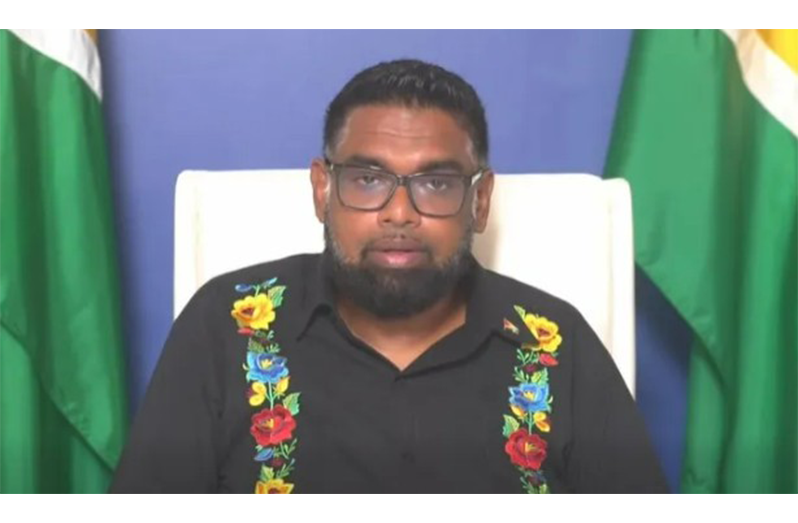
Announcing the appointments on Sunday, President Ali said the commission was established in keeping with his earlier commitment and under Section 21 of the Commissions of Inquiry Act.
The panel comprises distinguished experts in law, maritime engineering, maritime operations and safety from Belize, Poland, Jamaica, and Trinidad and Tobago.
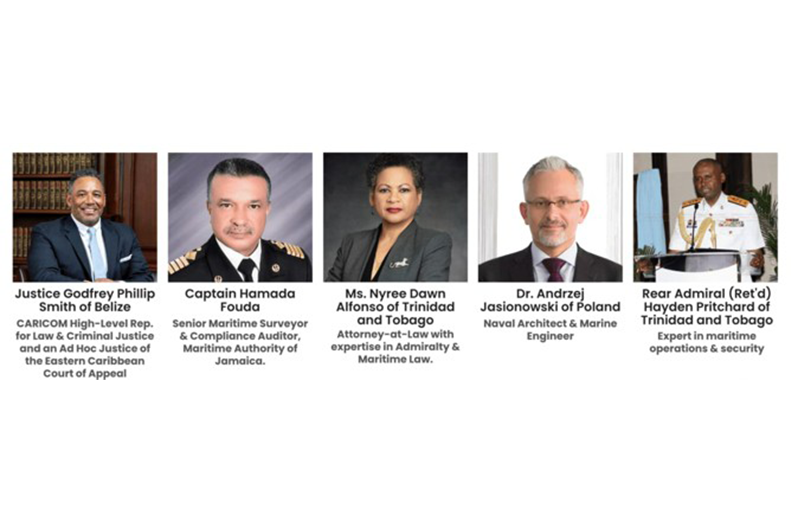
The commission will be chaired by Justice Godfrey Phillip Smith of Belize, CARICOM High-Level Representative for Law and Criminal Justice and an Ad Hoc Justice of the Eastern Caribbean Court of Appeal.
The other members are Captain Hamada Fouda of Jamaica, Senior Maritime Surveyor and Compliance Auditor with the Maritime Authority of Jamaica; Ms. Nyree Dawn Alfonso of Trinidad and Tobago, an attorney-at-law specialising in Admiralty and Maritime Law; Dr. Andrzej Jasionowski of Poland, a Naval Architect and Marine Engineer; and Rear Admiral (Ret’d) Hayden Pritchard of Trinidad and Tobago, an expert in maritime operations and security.
“The commission will determine its own procedures and methods of work consistent with its mandate,” President Ali said.
BROAD MANDATE
According to President Ali, the inquiry has been given extensive terms of reference aimed at establishing the complete circumstances surrounding the tragedy.
The commission will investigate the causes of the disaster, including the loading of the vessel, boarding procedures, passenger conditions, the capsizing and sinking itself, and any other related matters.
It will also conduct a comprehensive review of the search, rescue and recovery operations, assessing the adequacy, coordination and effectiveness of the response mounted by all agencies and stakeholders involved.
The inquiry will evaluate whether applicable laws, regulations, maritime standards and ferry operating procedures were followed, while determining whether any acts of negligence, misconduct, dereliction of duty or institutional failures contributed to or caused the tragedy.
Among its responsibilities will be inspecting the vessel’s condition and maintenance history, including its seaworthiness, while examining the influence of weather, sea conditions, tides, currents, navigation, communications and other environmental or operational factors.
The panel will also assess the competence, qualifications, training and conduct of the vessel’s master and crew, including compliance with established maritime safety and emergency procedures.
Additionally, commissioners will scrutinise passenger management systems, including embarkation procedures, preparation of the passenger manifest, possible overcrowding, cargo stowage, the availability and use of life-saving equipment and compliance with passenger safety requirements.
At the conclusion of its work, the commission is expected to recommend legislative, regulatory, institutional and operational reforms, along with any other measures necessary to strengthen Guyana’s maritime safety framework, improve emergency preparedness and response, and reduce the likelihood of similar tragedies occurring in the future.
President Ali said the legal instruments required to formally establish the commission are currently being finalised, after which the inquiry will commence its work in accordance with the law.
NATIONAL TRAGEDY
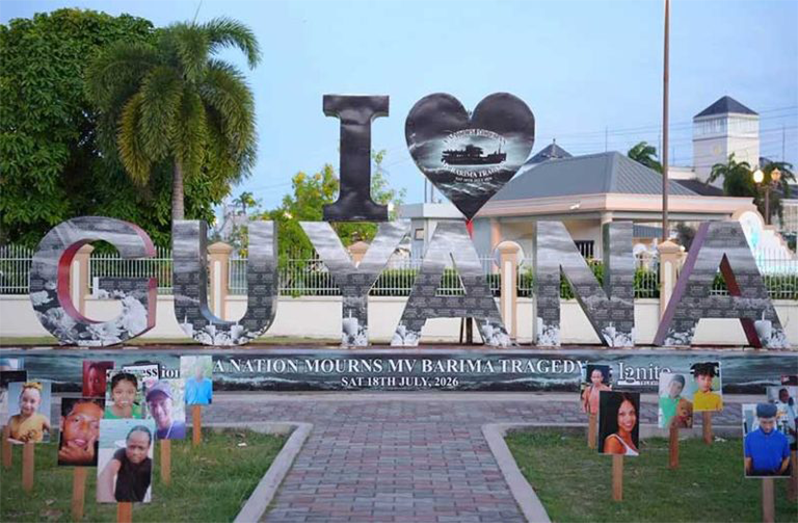
The announcement comes just over one week after the MV Barima disaster, which has become the deadliest maritime tragedy in Guyana’s history.
The vessel departed Georgetown on July 18 bound for Port Kaituma carrying 116 passengers, 17 crew members and cargo before encountering difficulties and capsizing off the Essequibo Coast.
Since then, Guyana has mounted its largest-ever maritime search, rescue and recovery operation involving the Guyana Defence Force Coast Guard and Air Corps, the Guyana Police Force, the Maritime Administration Department (MARAD), the Civil Defence Commission (CDC), local divers, volunteers, private vessels and international partners, including specialist divers and personnel from France, Trinidad and Tobago, Brazil and other supporting agencies.
As of Friday, authorities confirmed that 73 bodies had been recovered, with 69 positively identified by relatives. Sixty-three bodies have already been released to their families for burial, while search and recovery operations continue for those still unaccounted for.
Government has also mobilised extensive support for affected families, including transportation, accommodation, funeral assistance, counselling services, medical care, psychosocial support and financial assistance through the Ministries of Human Services, Health and other state agencies.
The President has repeatedly assured families that the Government remains committed to recovering every possible victim while ensuring a thorough and independent investigation into every aspect of the tragedy.
The Commission of Inquiry is expected to play a central role in determining accountability and recommending reforms that will shape the future of maritime safety in Guyana.