






– upgraded public spaces, better accessibility welcomed by residents, vendors and commuters
THE government’s efforts to modernise the capital through improved public infrastructure and increased accessibility, and greener and more welcoming spaces continues, with Georgetown’s ongoing urban renewal programme reaching another milestone with the completion of beautification works along East Street.
The latest phase of the project, being undertaken through the Office of the First Lady, has seen parts of East Street transformed, with work underway along Waterloo and Carmichael Avenues where contractors are installing modern street lighting, improved pedestrian facilities and other amenities designed to improve the look and function of the city.
The project is part of the government’s wider efforts to revitalise Georgetown through investments in public spaces, road networks, drainage systems and recreational facilities, as the capital is undergoing one of its biggest urban enhancement programmes in recent years.
The upgraded corridors now feature cleaner pedestrian walkways, decorative lighting, wheelchair accessible ramps and better public infrastructure – all designed to help make the city safer, more accessible and more attractive to residents and visitors.
Many Georgetown residents who pass through the area daily say the improvements have already made a noticeable difference.
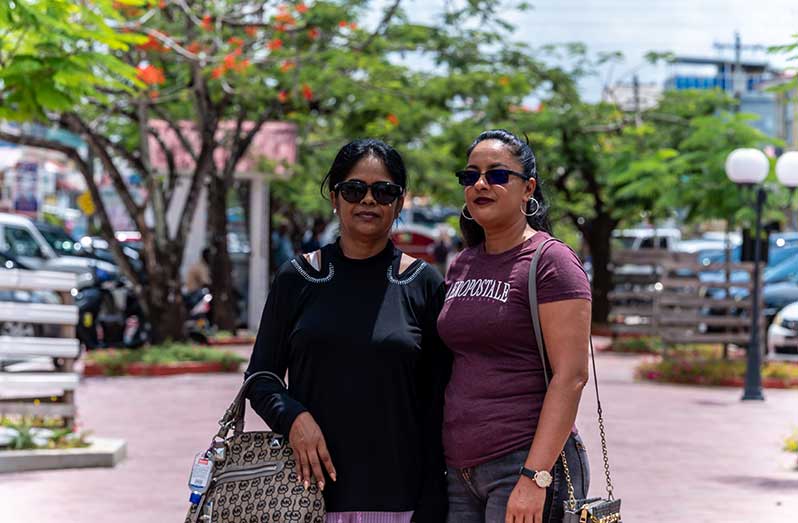
Pedestrians Pam Basedo and Sharon Rambarran said they welcomed the change, with the better walkways and cleaner surroundings a vast improvement on what the area was like before.
The women say the streets are brighter now, more open, more pedestrian-friendly.
They said they hoped to see similar projects in other Georgetown communities and more recreational parks where kids could play safely.
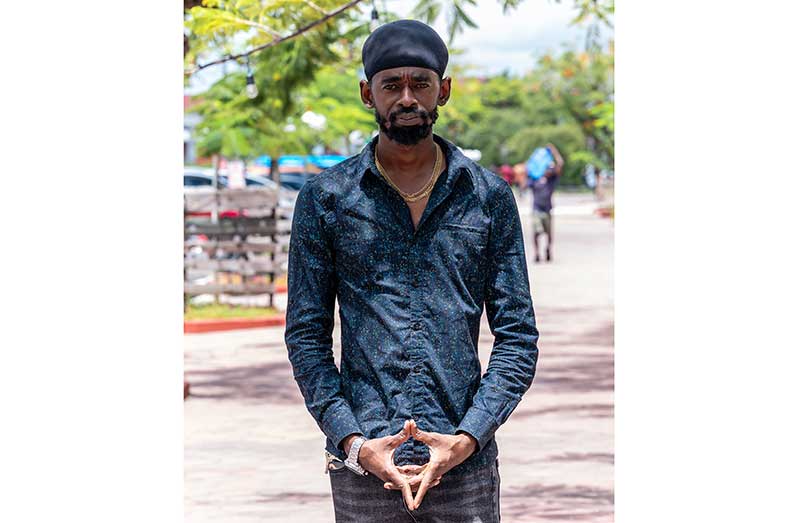
Taxi operators Akeem English and Mark Smith also said they liked the initiative, noting the decorative lighting and improved public spaces have made for a more pleasant environment.
English said the upgrades have created a more welcoming environment for both drivers and commuters. Smith believes the improved surroundings could boost commercial activity by attracting more people to businesses in the area.
Better-lit and cleaner public spaces also create a greater sense of security for pedestrians and families, he said.
Street vendor Lisa Ashby, who runs a coconut water business nearby, said the project has made a world of difference to her working conditions.
She remembered the place used to be muddy and difficult to move around, especially when it rained a lot.
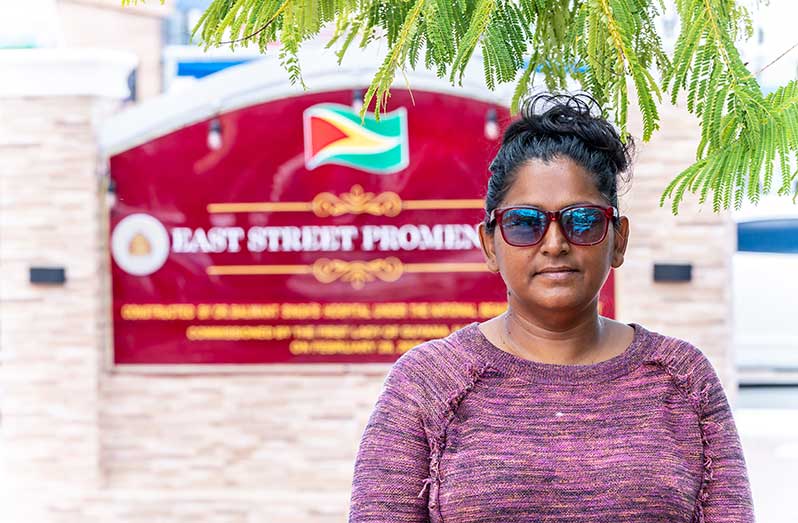
“The walkways are better, the lights are brighter, security is tighter so it is a more comfortable place for the vendors and the customers,” Ashby said. She also proposed the introduction of organised parking facilities to maintain order and improve the flow of traffic.
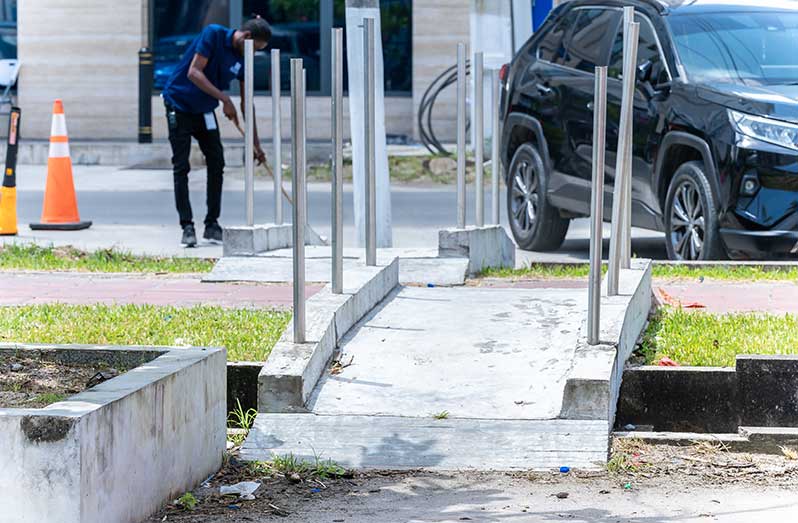
One of the features receiving special attention is the enhanced pedestrian crossing and walkway at the intersection of Carmichael and Waterloo Avenues, which includes wheelchair-accessible ramps to enhance mobility for persons with disabilities.
While the residents have welcomed the ongoing transformation, some have also proposed further improvements, such as placing benches along East Street to give pedestrians, especially the senior citizens, places to rest.
The beautification drive forms part of the broader Government thrust to build modern, inclusive and resilient urban spaces to support the continued growth of Georgetown. The capital has witnessed a growing public investment in recent years in road rehabilitation, drainage improvements, parks, recreational facilities and other civic infrastructure to enhance quality of life.
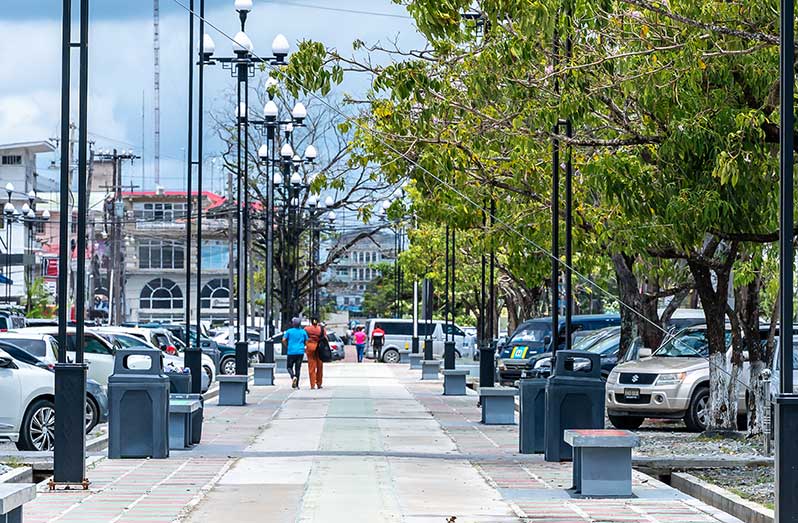
With work continuing along Waterloo and Carmichael Avenues, residents say the project is already breathing new life into some of Georgetown’s busiest corridors, creating cleaner, safer and more accessible public spaces, while strengthening the city’s role as Guyana’s commercial and administrative hub.
For a lot of people the initiative is more than just a face lift. It is a move towards a capital city that not only looks good but is also better equipped to cater for the needs of its swelling population and the country’s wider national development programme.




