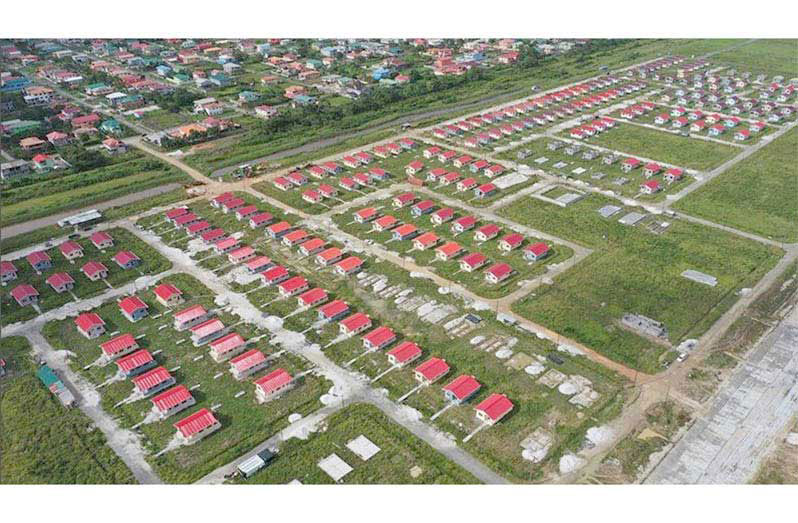
MINISTER of Housing, Collin Croal, has emphasised that the growth of private housing developments is not replacing the government’s national housing programme but is instead a reflection of Guyana’s expanding economy and rising incomes.
Speaking on a recent edition of the online talk show The Guyana Dialogue, Croal explained that while private developers are increasingly investing in residential communities, the government remains committed to ensuring affordable housing opportunities are available to all Guyanese, particularly low-income families.
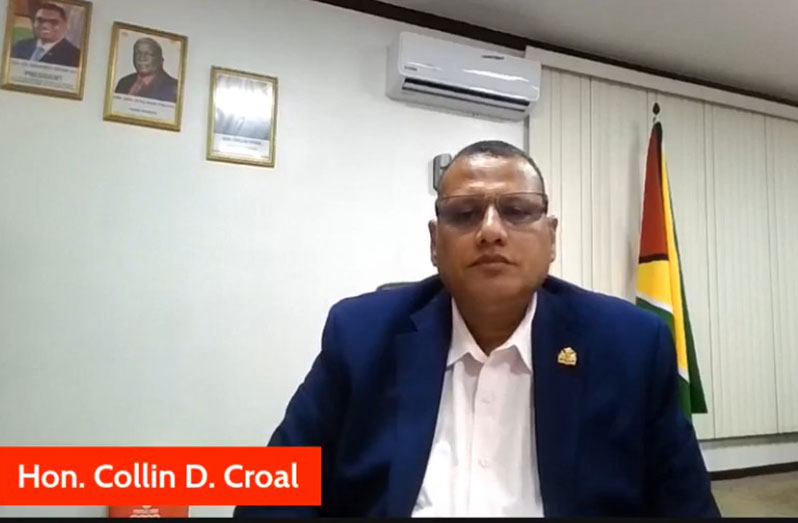
Private housing developments, he noted, are generally undertaken by private developers and real estate companies to cater to specific market segments, while the government’s housing programme is designed to implement national housing policies by providing affordable house lots and homes across all income categories.
The Minister explained that as Guyana advances, there are some persons who are earning more, and will opt to take on private development for those who can afford it. It is the government’s responsibility, he said, to take care of the “lower end”.
“We are responsible to ensure as a government that those who are at the sphere of the category will be taken care of.
“So, there’s no one category that is locked out, because if you have private developers who are developing, more than likely there will be more on the high end. Government’s programme takes care of every category, whether low, moderate, middle or high income. No one is locked out from being a beneficiary of the housing programme,” the minister said.
Croal added that the government’s role is to ensure every eligible Guyanese has access to housing opportunities, regardless of their income level, while encouraging private investment that broadens the range of housing options available.
The minister’s comments come as the government continues to expand its housing programme nationwide.
During the presentation of the 2026 National Budget in January, the government announced that investments in housing infrastructure and supporting amenities would continue this year as part of its vision for sustainable, well-planned urban communities with a high quality of life.
A historic $159.4 billion was allocated to the Ministry of Housing to expand access to affordable homes. This feature plans to deliver 15,000 new house lots, construct 8,000 homes across various income categories, issue over 7,000 land titles and increase the low-income mortgage ceiling from $20 million to $30 million.
According to the government, continued public investment alongside partnerships with the private sector will support its goal of making homeownership more accessible through an inclusive, affordable and sustainable housing programme.