






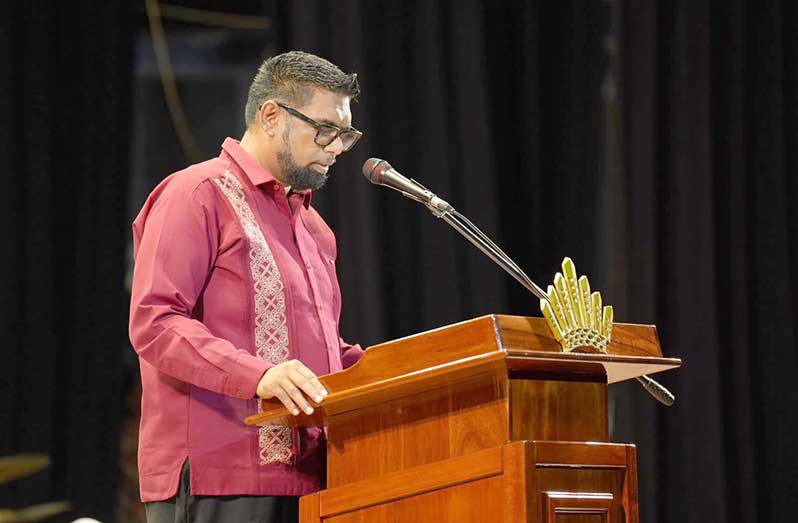
—President calls on religious organisations to help preserve the country’s values as rapid economic transformation continues
PRESIDENT Dr. Irfaan Ali has called on churches to take a more active role in shaping Guyana’s future, warning that the country’s unprecedented economic transformation must be matched by a commitment to strong values, ethical leadership, and social responsibility.
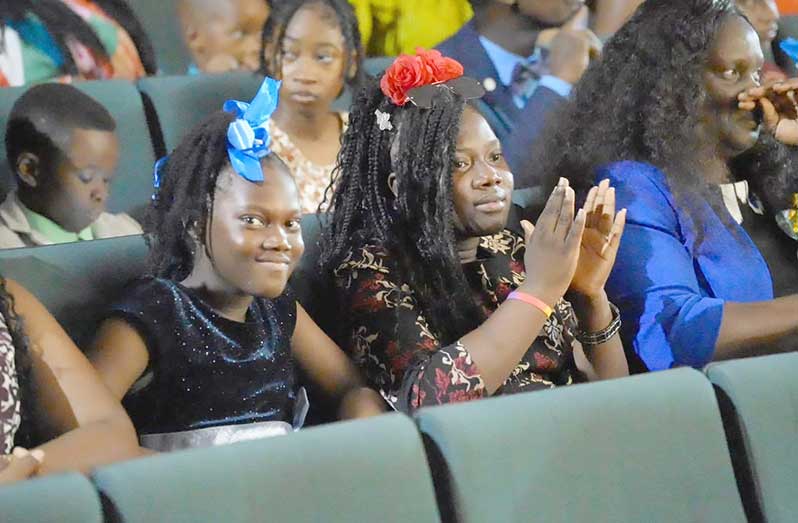
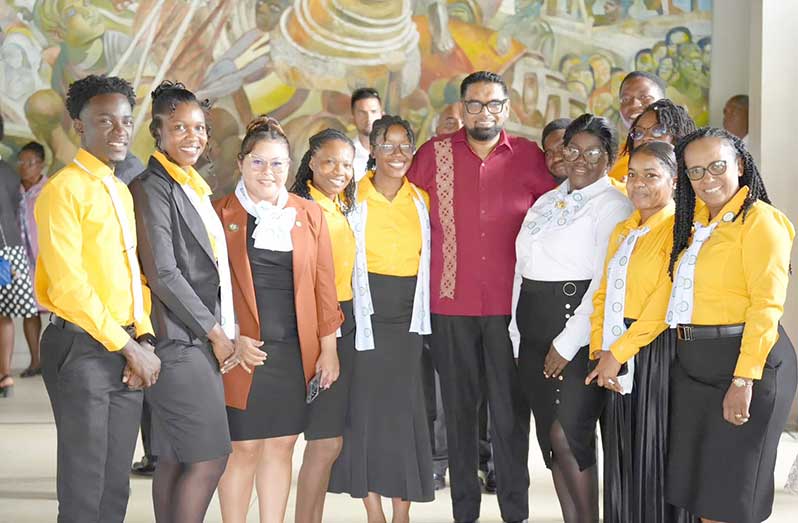
The Head of State made the appeal on Saturday while delivering congratulatory remarks at the centennial celebration of the Caribbean Union Conference of the Seventh-Day Adventist Church at the National Cultural Centre (NCC) on Homestretch Avenue, Georgetown.
Addressing church leaders, members and invited guests, President Ali said Guyana is entering a new chapter of development marked by expanding industries, growing investment, major infrastructure projects and increasing employment opportunities. However, he cautioned that the country’s success cannot be measured solely by economic indicators.
Instead, he argued that Guyana must remain focused on preserving its moral foundation and strengthening the values that bind its people together.
“We have a soul that we must protect as a nation; we must have a value system that we protect as a nation. We must have principles that we will protect as a nation,” the President said.
He noted that while the country continues to benefit from unprecedented economic opportunities, particularly as a result of rapid development across multiple sectors, there is a need for a national conversation about identity, values and social cohesion.
“I’ve started asking our people to dig deep for us to find the soul of our nation; the soul of a nation that will tell the story of our values, that will tell the story of our principles, that, regardless of what development and what wealth come before us, we have a soul that we must protect as a nation,” he said.
According to President Ali, faith, unity, love and God’s guidance must remain central pillars of national development.
“I would say, without a shadow of a doubt, that the soul of this nation rests in faith, love, unity and the will of God,” he said.
MORE THAN ECONOMIC GROWTH
The President warned that history provides numerous examples of countries that achieved significant economic success but failed to maintain social cohesion, national unity, and strong moral values.
“History teaches us that economic transformation alone does not guarantee national success. Throughout the world, there are examples of countries that became wealthier but not necessarily stronger. They became richer but not necessarily happier. They became more prosperous but not necessarily more united,” he said.
According to President Ali, periods of rapid economic growth often bring challenges, including increased materialism and a tendency to define success solely through wealth and possessions.
“The pursuit of wealth can become disconnected from the pursuit of goodness and righteousness,” he said, referencing the biblical passage in Mark 8:36: “For what shall it profit a man if he shall gain the whole world and lose his own soul.”
As Guyana continues its transformation, the President said churches have a responsibility to help ensure that the country’s development remains grounded in values that promote integrity, compassion and responsibility.
“This is why institutions such as the church become even more important during times of national transformation, The church serves as society’s moral compass. It reminds us that true development is always about character. It is about integrity. It is about compassion. It is about justice. It is about responsibility to one another,” he said.
He added that national transformation can only be considered complete if it strengthens not only the economy but also the moral foundations upon which society is built.
FIVE AREAS FOR CHURCH INVOLVEMENT
President Ali outlined what he described as several key areas in which churches can continue making meaningful contributions to Guyana’s development.
The first, he said, is value-based education and youth development.
While schools provide academic knowledge and technical skills, the President argued that values such as honesty, discipline, humility, respect and responsibility must also be actively taught and reinforced.
“The future of any nation rests in the hands of its young people. The church can continue to instill honesty, discipline, respect, humility and responsibility in our youth,” he urged.
President Ali also used the opportunity to express concern about troubling social behaviours among some young people, particularly the increasing normalisation of violence through social media.
“If children understand that if they stand in a circle and watch their colleagues fight, and all they do is laugh and clap along and video that fight and then upload it on social media as if it’s a form of normalcy, something is seriously wrong, from the home, from the community and from the minds of these children,” he said.
The President said the issue extends beyond schools, and requires intervention from families, communities, religious institutions and policymakers.
He argued that churches should become more involved in helping young people navigate the challenges posed by social media, Internet exposure, and changing societal norms.
“The Church has to become more involved in our school system and in our healthcare system,” he said.
STRONGER FAMILIES
The President’s second recommendation centred on strengthening families, which he described as the foundation of strong communities and successful nations.
He acknowledged that economic growth and changing lifestyles can place pressure on family relationships, making it even more important to create environments that support healthy family life.
“Strong nations are built upon strong families. Economic growth can sometimes place pressure on family life. Longer working hours, changing lifestyles, and social challenges can weaken family bonds,” he said.
According to President Ali, churches have a unique role in supporting marriages, promoting responsible parenting, and helping families navigate modern challenges.
“The Church has a unique role in supporting marriages, strengthening parenting, and nurturing healthy family relationships,” he said.
He added that there must be greater collaboration between government and religious organisations to build stronger families and communities.
“There must be a partnership between government and the church in building stronger families, strengthening stronger families,” he said.
ETHICAL LEADERSHIP AND COMMUNITY SERVICE
The President also highlighted the importance of ethical leadership, noting that churches have historically played a critical role in encouraging integrity and accountability in public life.
“As opportunities expand, the Church can continue to be a powerful voice in public service, public life and community leadership. The church has a role in supporting strong national leadership. The church has a role in working with strong national leadership,” he said, adding that faith-based organisations should remain active participants in national conversations and decision-making processes.
“The Church’s role in public life is extremely important; the Church’s role in national life and national development and national leadership is critical,” he said.
As such, the President encouraged churches to be proactive in ensuring that their values remain intertwined with national development efforts.
Beyond leadership, the President pointed to the Church’s long-standing tradition of community service, including health programmes, disaster response initiatives, counselling services and support for vulnerable populations.
“The Church has long demonstrated that faith must be accompanied by action,” he said.
Whether through health programmes, outreach initiatives or humanitarian support, Ali said churches continue to play a vital role in building caring and compassionate communities.
“A prosperous society must also be a caring society,” he said.
BUILDING UNITY
The President’s final recommendation focused on national unity and social resilience.
He noted that rapid change often creates uncertainty and divisions within societies, and argued that churches can help foster hope, peace and reconciliation.
“The Church can help us to build hope, resilience and unity by reminding us of the values that bind us together as a people. In a world often characterised by division, the Church can continue to proclaim the timeless message of love, peace, and reconciliation,” he said.
President Ali’s call for deeper church involvement comes as the Government continues to promote its One Guyana agenda, which seeks to strengthen national unity and social cohesion while ensuring that the benefits of development reach all citizens.
He said the partnership among government, communities and faith-based organisations will be crucial as Guyana continues its journey of transformation.
“As Guyana advances economically and socially, we look forward to continuing partnerships with institutions such as the Seventh-Day Adventist Church that help shape not only successful citizens but also good citizens, not only productive workers but also compassionate neighbours, and not only prosperous communities but also righteous communities,” the President said.
The President’s remarks formed part of celebrations marking the 100th anniversary of the Caribbean Union Conference of the Seventh-Day Adventist Church, which he described as a milestone reflecting a century of faith, service, education, health outreach, and community development across the Caribbean region.




