







— nationwide inventory platform goes live July 1 as gov’t moves to eliminate medicine shortages, tighten accountability across health sector
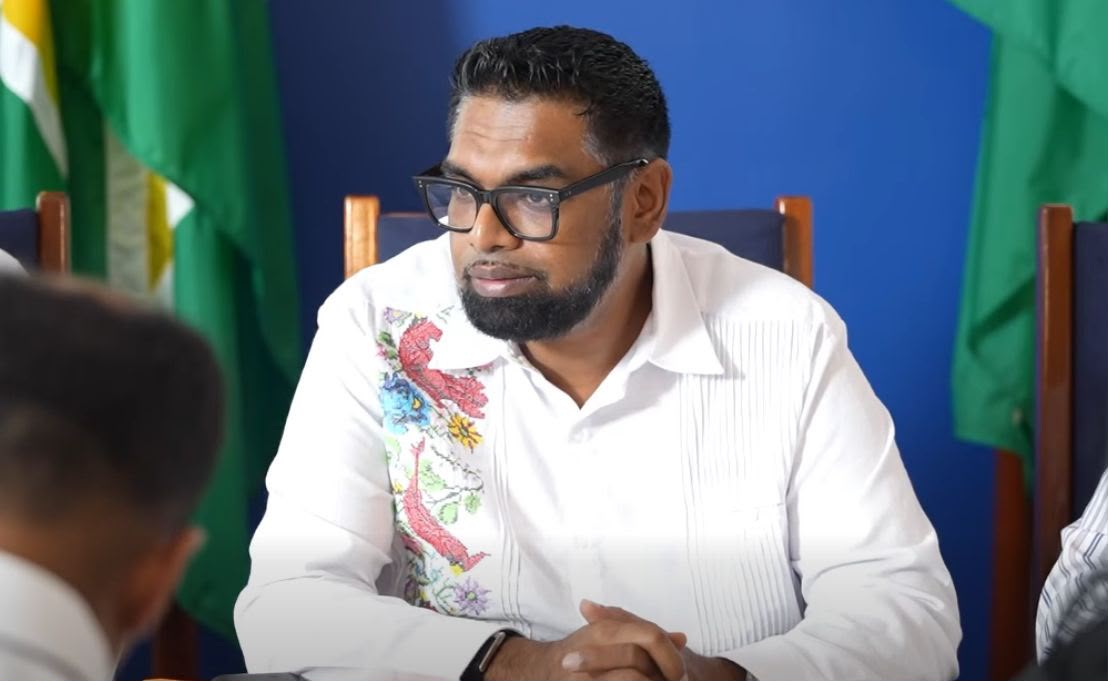
HEALTH officials who circumvent a new nationwide system designed to manage medicines and medical supplies will be dismissed, President Dr. Irfaan Ali warned on Monday as he unveiled stricter accountability measures aimed at eliminating drug shortages and improving healthcare delivery across Guyana.
Addressing leaders of the public health sector, the President said the government has invested heavily in pharmaceuticals, medical supplies and inventory management systems, making stock shortages unacceptable.
“Anybody who works outside of that system, outside of the SOPs in that system, will be sent home,” President Ali declared.
The warning comes as the Ministry of Health prepares to fully implement a centralised inventory management system on July 1. The platform will track the availability and distribution of medicines and supplies across hospitals and health centres nationwide and will replace all existing inventory systems.
According to the Head of State, the new system, which operates through the Ministry of Health’s Materials Management Unit (MMU), includes clear Standard Operating Procedures (SOPs), real-time monitoring and strict approval requirements for emergency purchases.
“We have invested heavily in medical supplies and pharmaceuticals, and there is no reason why any health sector should not have above 90 per cent availability every single day, every year,” he said.
President Ali explained that emergency purchases will only be permitted after approval from senior health officials, including the Director of Regional Health Services, Chief Medical Officer and the head of the MMU.
The system, he said, is intended to reduce wastage, prevent overstocking and strengthen transparency throughout the healthcare sector.
“This is not only for the Ministry of Health. This is across the entire health ecosystem, Georgetown Hospital and all our regional hospitals,” the President said.
Beyond medicine management, President Ali stressed that healthcare workers must improve patient care and customer service standards.
He noted that investments in healthcare are not limited to medical treatment but also include creating a more comfortable and welcoming environment for patients.
“The washrooms, the waiting areas, the way security personnel interact with people, the nurses, the front desk, all of these things have a design to ensure patient comfort, safety and patient experience,” he said.
The President said Guyana’s goal is to build a world-class healthcare system defined not only by modern facilities and services, but also by transparency, accountability and quality care.
“We are building a world-class healthcare system, not only by the level of service and amount of service we offer, but also by the way we care for our patients, by the way we treat patients and by our level of transparency and accountability,” he said.
President Ali also revealed that a review is underway to address disparities in compensation among doctors, nurses and consultants, while assessments have been conducted at health facilities across the country to identify areas requiring operational improvements.
Among the upgrades being pursued are improved waiting areas, better sanitation standards, enhanced patient feedback mechanisms and stronger oversight of healthcare facilities.
The President urged healthcare leaders to foster a service-oriented culture, saying attitude and professionalism remain critical to the sector’s continued transformation.
“Our attitude must be one that is service-oriented, one that is people-oriented. We can’t build a world-class healthcare system that is absent of good and positive attitude,” he said.



