







-curriculum would teach online safety, cyberbullying prevention, responsible use of digital platforms
THE Government of Guyana is considering the introduction of a digital literacy programme in schools as part of a broader effort to protect children from the growing risks associated with social media and online platforms.
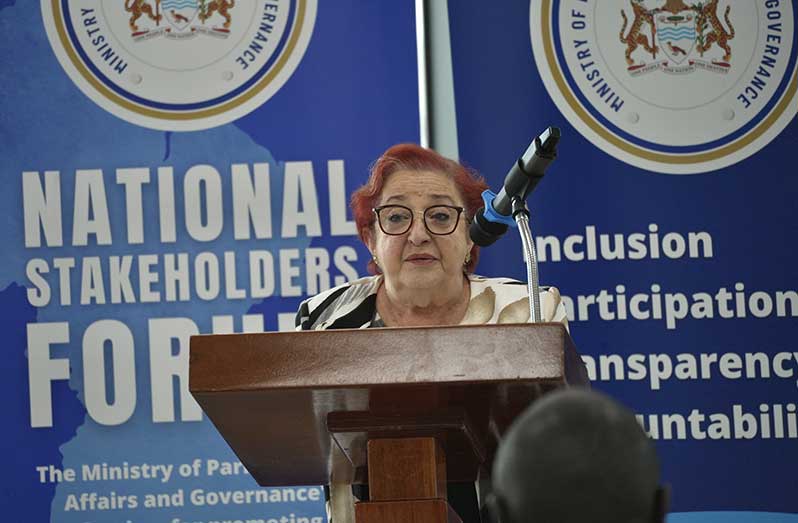
This was outlined by Minister of Parliamentary Affairs and Governance, Gail Teixeira, during the launch of a national consultation on social media and its effects on children, where stakeholders were invited to provide recommendations on a proposed child online safety framework.
According to the minister, digital literacy education is a critical component of ensuring that children are equipped to safely navigate an increasingly digital world while continuing to benefit from technological advancements.
She noted that the government is seeking to ensure that young people understand both its opportunities and its dangers.
Under the proposed framework, the Ministry of Education could develop curriculum content focused on online safety, cyberbullying prevention, responsible social media use, misinformation detection, digital footprints and awareness of cyber threats.
Minister Teixeira said such education is becoming increasingly important as children gain access to digital devices and online platforms at younger ages.
“We can’t get away from the fact that this is what the next generations will be like,” she said.
To this end, she noted that technology will continue to play a central role in education, communication and everyday life.
Teixeira noted that digital platforms have transformed how people learn, conduct business and participate in society. However, she warned that children remain vulnerable to harmful content, exploitation, cyberbullying and excessive screen time if proper safeguards are not in place.
She also acknowledged that many adults struggle to keep pace with rapidly evolving technology, creating challenges for parents and guardians seeking to monitor their children’s online activities.
As a result, the proposed framework includes measures aimed at improving digital literacy not only among children but also among parents and families.
Further to this, Teixeira said the government is also exploring national awareness campaigns, digital parenting resources and family online safety guides to help adults better understand the platforms children use and the risks they may encounter.
The digital literacy proposal forms part of a wider package of measures being examined through the national consultation, parental empowerment initiatives, platform accountability measures and the possible establishment of an online protection authority.



