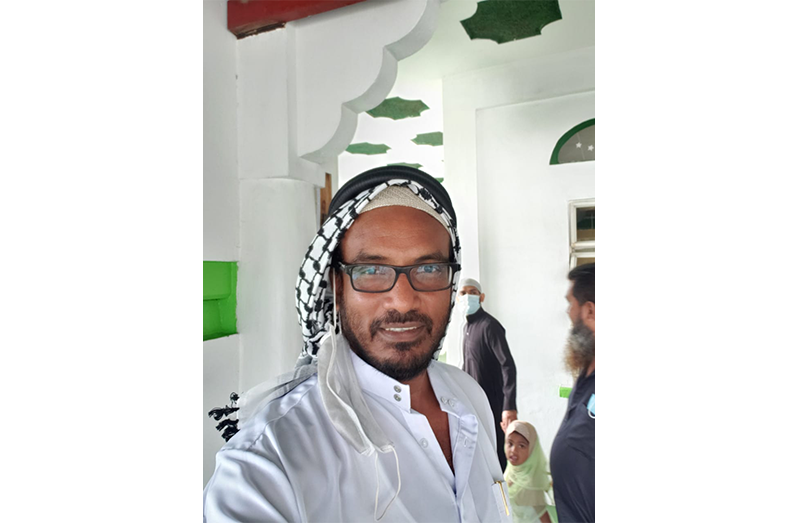
Imam says observance continues to strengthen family bonds, charity and national togetherness
ON May 27, Muslims across Guyana observed Eid al-Adha (Eid – ul- Adha) and Imam Halim Khan, the spiritual leader of Meten Meer Zorg (East) Masjid, shared a message to citizens to reflect on the values of faith, sacrifice, compassion and national unity during and beyond the sacred occasion.
From the sighting of the moon and the preparation of sacrificial animals to family gatherings, prayers and charitable giving, the annual observance remains deeply rooted in both Islamic tradition and Guyanese culture.
Speaking to the Pepperpot Magazine earlier this week amid the religious atmosphere of Eid, he explained that while celebrations have evolved over the years, with larger gatherings, increased community outreach and the influence of social media, the spiritual meaning of Eid remains unchanged.
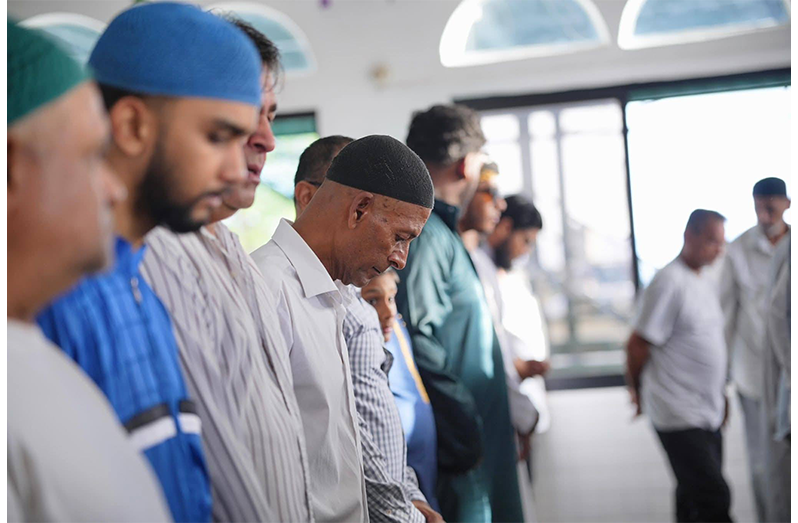
Behind the celebrations and community spirit of Eid lies a deep, religiously significant story.
The festival commemorates Prophet Ibrahim’s willingness to sacrifice in obedience to Allah and serves as a reminder of the importance of humility, generosity and service to others.
As Imam Khan shared, Muslims in Guyana traditionally mark the beginning of Eid-ul-Adha with deep spiritual devotion, family gatherings, charity and community unity. He noted that when the holy month of Dhul Hijjah commences, many Muslim families would make spiritual and practical arrangements to celebrate the festival. Among the most important traditions is the selection of an animal to be sacrificed, also referred to as Qurbani.
Speaking on the significance of this, Imam Khan said, “Since the offering is considered an act of devotion and gratitude to Allah, great care is taken to ensure that the animal is free of defects and well nourished. In many Guyanese communities, the selection of the animal becomes a family and community affair, as relatives discuss arrangements and visit farms or markets together.”
Preparing for the sacrifice also includes observing important acts of Sunnah from the beginning of Dhul Hijjah.
Traditionally, Muslims who plan to perform the sacrifice do not cut their hair, shave or trim their nails until the Qurbani is complete, once the moon is sighted and the Islamic month begins.
As the Imam explained, this reflects spiritual discipline and a symbolic connection with the pilgrims performing Hajj at Mecca.
The sighting of the moon is of particular importance to Muslim communities throughout Guyana.
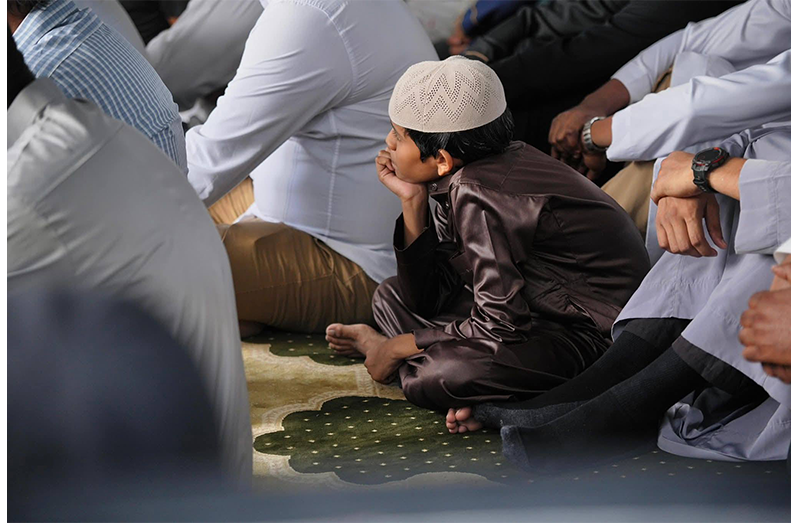
Islamic authorities and organisations sight the new crescent moon to mark the official beginning of Dhul Hijjah and set the date for Eid al-Adha.
This marks the start of the holy days leading up to Eid, when families begin their preparations.
Sharing insight into these preparations, Imam Khan stated, “In the lead-up to Eid, houses are cleaned from top to bottom, new clothes are bought and special meals and sweets are prepared. Charity is a large part of the observance, so families also arrange donations for those in need. Muslims congregate in mosques and open spaces for prayers and sermons on the day of Eid al-Adha. The sacrifice is then made in accordance with Islamic principles after prayers.”
In Guyana, the meat from the sacrifice is traditionally divided into three portions: one for the family, one for relatives and friends, and one for the poor and vulnerable.
Imam Khan noted that sharing food is intended to build family bonds and foster a sense of compassion and solidarity within the community.
“From villages to communities, families visit each other, exchange greetings and share meals, curries, roti, rice dishes and traditional sweets,” he added.
The celebration of Eid al-Adha in Guyana is one of faith, sacrifice, generosity and togetherness, keeping religious traditions alive while strengthening bonds within families and communities across the country.
Sacrifice and charity are major themes of the observance, as Imam Khan noted:
“The sacrifice is more than a physical act. It is the believer’s readiness to place faith, morality and service to humanity above personal desires and material interests. It reminds people of the value of sacrifice for the greater good of family, community and nation,” he added.
While the observance remains deeply rooted in religion and scripture, Eid al-Adha in Guyana has evolved over the years alongside the country’s social and cultural development, according to Imam Khan.
He noted that today the observance is more widely recognised nationally, with larger congregational gatherings, greater community outreach and broader participation across regions and communities.
“Modern communication and social media have also kept families and diaspora Guyanese connected throughout the celebrations, sharing greetings, prayers and cultural traditions across the globe. At the same time, Muslim organisations, mosques and community groups have ramped up their charitable initiatives during Eid, including food distribution drives and support for vulnerable families,” he said.
He was keen to note, however, that these changes do not alter the spiritual meaning of Eid al-Adha, adding:
“The observance focuses on prayer, sacrifice, charity, thankfulness and remembering the example of Prophet Ibrahim (peace be upon him). Eid remains a strong expression of faith, family values, cultural heritage and national unity in Guyana’s multicultural society.”
While Eid al-Adha remains a deeply religious aspect of the Muslim faith, Imam Khan noted that, similar to countless other faiths, the values of peace, compassion, tolerance and mutual respect remain its central pillars.
Speaking to the Muslim community and Guyana at large, he observed that Guyana’s greatest asset is its rich cultural and religious diversity, with people from different backgrounds living, working and celebrating in harmony.
He shared, “Eid is a reminder that, despite our differences, we share common values of humanity, kindness, understanding and collective responsibility. As our country continues to grow and advance, we must continue to strengthen the bonds of unity and national solidarity that make us one people and one nation.”
He added, “This occasion should serve as an inspiration to all citizens to foster goodwill, reject division and work together for a peaceful and prosperous Guyana, where every individual is respected and valued, irrespective of race, religion or background.”