
MEDICAL Officer in Psychiatry at the Georgetown Public Hospital Corporation (GPHC), Dr Fareeda Bacchus, is encouraging persons to prioritise their mental health.
She cautioned that prolonged stress and depression can silently affect not only emotional well-being but also physical health and everyday functioning.
Dr Bacchus highlighted that while experiencing emotions and stressful situations is a normal part of life, prolonged emotional strain can become dangerous if ignored.
She explained, “Experiencing emotions is a natural part of life. However, ongoing stress or difficult emotions that persist for long periods can become difficult for one to carry and affect us physically.”
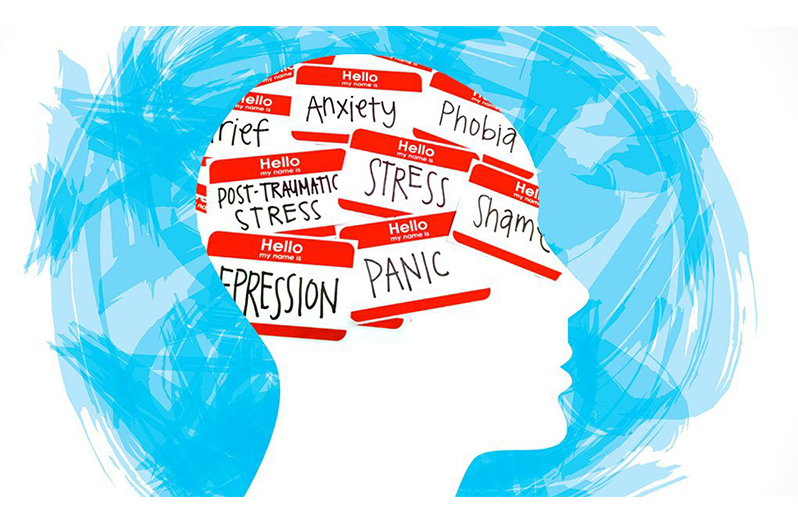
She noted that many people often dismiss symptoms of mental distress as temporary stress, without realising they may be developing depression, a condition she stressed is far more serious than sadness after a difficult experience.
Dr Bacchus explained, “Depression is more than just ongoing sadness after a stressful event.”
She outlined that the condition is “primarily characterised by persistent low moods, lack of interest or pleasure in daily activities or activities the individual would have previously enjoyed,” along with emotional, physical, behavioural, and cognitive symptoms that disrupt everyday life.
According to the psychiatrist, depression can deeply affect a person’s ability to function, whether at work, in relationships or in carrying out daily responsibilities.
Dr Bacchus pointed out that distinguishing between stress and depression is not always straightforward, particularly because “long-standing stress can contribute to depression.”
She explained that common signs of stress include feeling tense, overwhelmed, overloaded, or constantly on edge. Persons experiencing stress may also become easily irritated, excessively worried and suffer physical symptoms.
“This can manifest in physical symptoms such as headaches, muscle stiffness, neck pain, and back pain,” she added, noting that some individuals may unconsciously clench their jaws or struggle to relax.
However, depression carries deeper emotional consequences. Dr Bacchus explained that warning signs include “persistent sadness, feelings of emptiness, hopelessness, worthlessness, or even feelings of guilt.”
Equally concerning, she cautioned that in more severe cases, persons struggling with depression may experience “thoughts of death or thoughts to self-harm.”
The psychiatrist further explained that people living with depression are more likely to experience major disruptions in their daily lives, including strained relationships, reduced productivity at work and difficulty managing routine activities.
She also warned that the early signs of depression may resemble ordinary stress, making it harder to identify.
Both stressed and depressed individuals, she noted, can experience fatigue despite adequate rest, difficulty concentrating, changes in sleep patterns and appetite fluctuations that may result in weight gain or weight loss.
Against this backdrop, Dr Bacchus encouraged persons to pay close attention to prolonged emotional distress and seek support when symptoms begin interfering with everyday life, stressing that mental health should never be overlooked.
Mental health concerns remain a serious public health issue in Guyana, which has historically recorded one of the highest suicide rates globally.
Although health authorities have reported improvements in recent years, officials continue to warn that stigma, delayed treatment, and lack of awareness remain major barriers to care.
In recent years, the government has intensified efforts to tackle mental health challenges through the implementation of a National Mental Health Action Plan and a National Suicide Prevention Plan.
Public awareness campaigns, counselling initiatives, suicide prevention programmes in schools and communities, and expanded access to mental health services have all formed part of a wider national response.
Health Minister Dr Frank Anthony previously reported a decline in suicide-related deaths, noting that approximately 40 suicide deaths were recorded between January and August 2024, compared with 100 during the corresponding period in 2023.
Authorities have attributed some of this progress to increased intervention, awareness efforts and greater public discussion surrounding mental wellness.
If you or someone you know is struggling with depression, emotional distress or thoughts of self-harm, help is available. Persons can contact the Ministry of Health’s Mental Health Unit at 225-0804 or 223-6604 for counselling and support.
In cases of severe emotional distress or crisis, the toll-free Suicide Prevention Hotline can be reached by calling 915.
The Guyana Inter-Agency Suicide Prevention Helpline is also available via 223-0001, 223-0009, 600-7896 or 623-4444 for immediate support.