






MINISTER of Public Utilities and Aviation, Deodat Indar, has indicated that solar energy cannot be relied upon as Guyana’s primary source of electricity.
He explained that the country’s rapidly growing power demand and the intermittent nature of solar generation make it unsuitable to independently sustain the national grid.
Speaking on the programme “Guyana Dialogue,” Indar stressed that while solar energy remains an important renewable option, it cannot reliably serve as the backbone of the country’s electricity system. “You’ve got to understand, solar, it’s not firm power,” the minister stated.
He explained that solar systems are vulnerable to weather conditions, noting that cloud cover can immediately reduce electricity generation and place pressure on battery storage systems.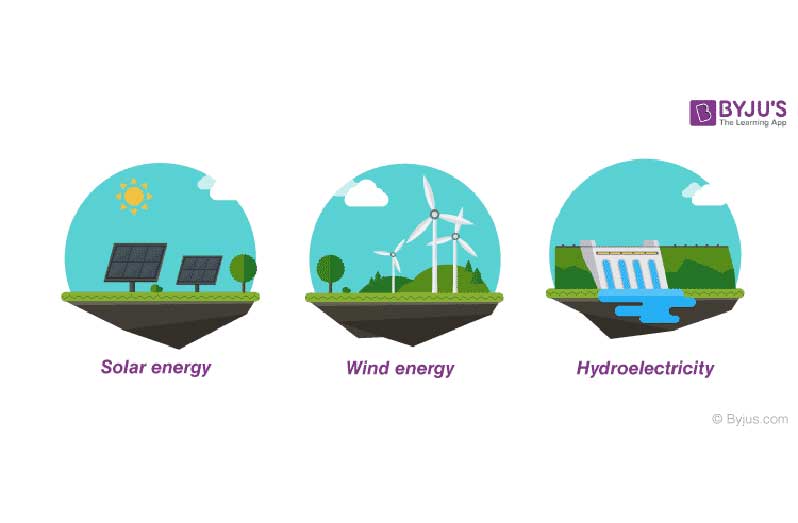
He further explained that even minor cloud cover can reduce solar generation and force the grid to depend on battery storage systems. According to Indar, battery systems linked to solar infrastructure are limited in duration and expensive to maintain.
He stated, “Battery can only last you two, two-and-a-half-hour max. It’s very expensive to replace.” The minister further warned that prolonged periods of rainfall could significantly disrupt a solar-dependent grid and lead to power interruptions across the country.
“If you have a period of a long… maybe all week you’re having rain, what do you think will happen to the country if you use solar? People will get outages; [solar] is what you call intermittent power,” Indar stated.
As a result, he maintained that solar energy cannot be the country’s principal electricity source.
“So, you can’t use solar to be the main source of grid,” the minister asserted.
While acknowledging the role the proposed Amaila Falls Hydropower Project could play, Indar noted that even its planned 165 megawatts of electricity generation would not be enough to satisfy Guyana’s future energy demand.
“Hydro can be used, but we’re now building out the hydro… to bring in 165 megawatts, but 165 megawatts are not what the grid would require in a couple of years,” he explained.
The government is moving ahead with the Amaila Falls Hydropower Project under a revised Build-Own-Operate-Transfer (BOOT) model, with firms and consortia invited to submit proposals to develop a facility capable of delivering at least 165 megawatts of renewable energy to the national grid. The project is intended to become a major component of Guyana’s long-term energy mix, complementing gas-to-energy and solar initiatives while supporting the country’s low-carbon development agenda.
Indar revealed that electricity demand is expected to increase dramatically in the coming years, with projections indicating the country could require close to one gigawatt of power, several times greater than its present consumption.
The minister disclosed, “We’re projecting that, you know, in another couple of years, it will be close to one gigawatt and above, which is, you know, three, four times the current demand profile that we have.”
Despite noting its limitations, Indar maintained that solar energy still has an important role in Guyana’s energy mix when balanced appropriately with other sources, including fossil fuels, hydro and wind power. “So, solar power, it’s good, you know, it’s renewable, but you got to know how you balance it,” he stated.
The People’s Progressive Party/Civic (PPP/C) government has expanded solar energy through the installation of solar farms, mini-grids and solar home systems, particularly in hinterland and riverine communities. Solar power has also been integrated into schools, health centres and other public buildings as part of Guyana’s broader renewable energy strategy.





