






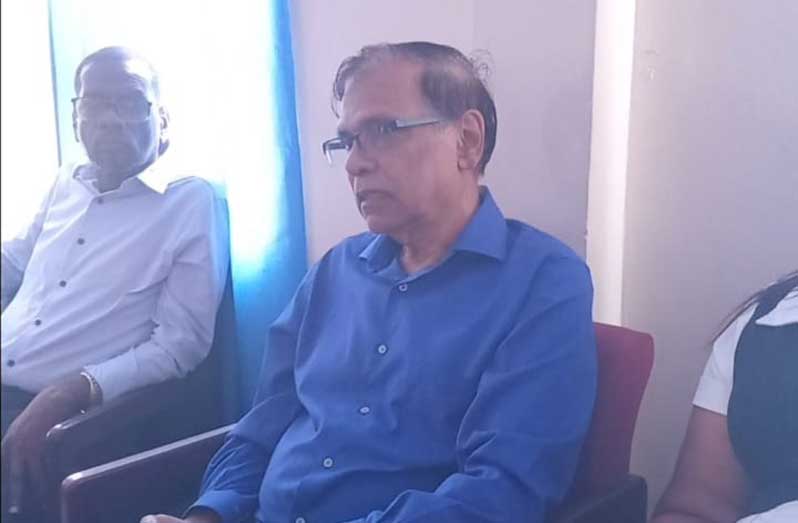
– Health Ministry urges strict fogging protocols to curb dengue and malaria
THE Ministry of Health has renewed its call for strict adherence to national vector control protocols in Region 7, warning that consistent surveillance and properly timed mosquito-control measures remain critical to limiting the spread of dengue, malaria and other vector-borne diseases.
The message came during the recently concluded Health Sector Review Meeting in Region Seven, where senior health officials and technical teams assessed disease surveillance systems and coordinated response mechanisms across the region.
During the review, emphasis was placed on the importance of integrated surveillance systems operating across clinics, laboratories, and vector control units nationwide. Region 7 remains part of a national disease monitoring network where early detection of fever-related illnesses, laboratory confirmation, and environmental vector control interventions work together to reduce transmission risks.
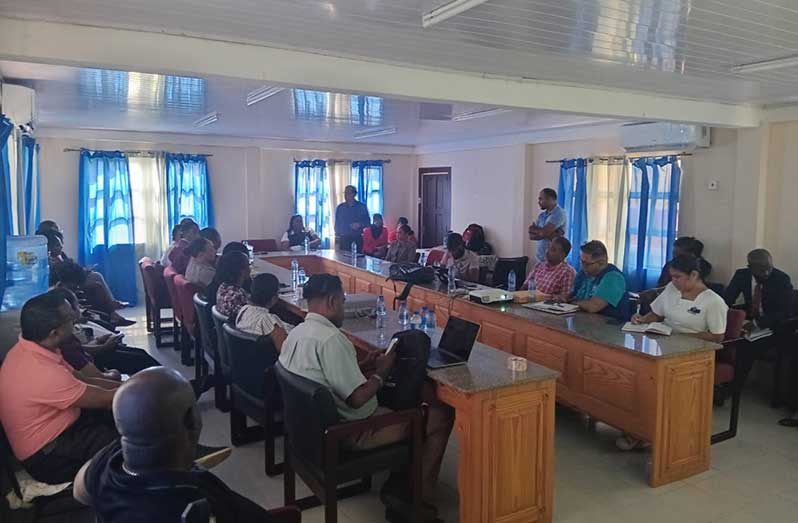
Director General (DG) of the Ministry of Health, Dr Vishwa Mahadeo, used the engagement to reinforce operational standards among healthcare and vector control personnel, particularly in relation to mosquito control activities.
“I need to reemphasise that fogging should be done once every 28 days and let’s focus on the internal and external residual spraying and the larviciding. When you spraying in the house, the building, that is good enough for 90 days, once somebody don’t wash off that chemical. Any mosquito, even cockroaches and other insects, if they go on that wall, they will drop down and die,” the Director General said.
Dr Mahadeo also reminded regional health and vector control teams that fogging and residual spraying operations must be guided by strict adherence to established protocols to ensure effectiveness and proper coverage.
“So we need to emphasise this to the public and they also need to know that these chemicals are not harmful to humans or pets, once they are used in the right way,” Dr Mahadeo told health officials.
The Director General reiterated that vector control is most effective when combined with strong surveillance data from health facilities, timely reporting of suspected cases, and coordinated response mechanisms between surveillance officers, environmental health teams, and clinical services at the regional level.
Across the country, surveillance units continue to monitor communicable and non-communicable diseases, maternal and child health indicators, and priority event-based alerts such as fever and rash, acute flaccid paralysis, and vaccine-related reactions.
The Ministry of Health continues to strengthen its integrated approach to vector-borne disease control, with regional health systems, including Region 7, playing a key role in surveillance reporting, outbreak investigation, and environmental health interventions aimed at reducing disease transmission risks across Guyana.




