-PUC says in annual report
GUYANA’S electricity sector “maintained its steady progression along a path of modernisation and expansion,” according to the Public Utilities Commission’s (PUC) 35th Annual Report.
The report highlighted continued growth in demand, infrastructural development, and renewable energy expansion.
The Guyana Power and Light Inc. (GPL) recorded a four per cent increase in its customer base over the previous year, reflecting sustained population growth as well as ongoing expansion in residential housing and commercial development across the country.
Net electricity sales also rose by six per cent, “underscoring a strong and broad-based demand from consumers.”
In response to rising demand, GPL and the Government of Guyana undertook measures to strengthen generation capacity, including the procurement and deployment of two electric barges.
These additions, the report noted, have played “a critical role in supporting grid stability and ensured continuity of supply as the sector adapts to increased consumption needs.”
In keeping with its statutory mandate, the Commission conducted its annual review of the Operating Standards and Performance Targets (OSPT) for GPL for 2024 on March 13, 2025.
The review was held by way of a public hearing attended by key stakeholders and members of the media.
While it was concluded that GPL did not attain the majority of its performance targets, the Commission, after careful consideration, determined that no penalties would be imposed.
The report stated that factors influencing this decision included recurring damage to infrastructure caused by vehicular and equipment incidents, global software system updates, and electricity theft, all of which impacted performance during the year.
Notwithstanding these challenges, the PUC emphasised that improved compliance “remained an expectation and GPL was required to continue to strengthen its operational performance.”
The report further highlighted GPL’s ongoing “transformative agenda to modernise its infrastructure and improve service reliability for consumers.”
This includes the construction of new substations, upgrades to existing infrastructure, clean energy initiatives, and the implementation of advanced technology solutions.
For 2025, planned initiatives included the construction of 155 km of 230 kV transmission lines and 209 km of 69 kV transmission lines, development of eight substations, construction of a 230 kV transmission line crossing the Demerara River, and the expansion of 343 km of distribution feeds.
The continued rollout of Advanced Metering Infrastructure also remains a key component of the modernisation programme.
The energy sector also recorded significant progress in renewable energy development. Several utility-scale and community-based solar projects were commissioned across multiple regions, adding approximately 15.6 MWp of solar capacity to the national grid.
According to the report, the most notable project was the 4 MWp Trafalgar Solar Farm in Region Five, commissioned in December 2025.
Additional installations in Regions Two and Six, as well as on Leguan Island, further improved grid stability, reduced reliance on diesel generation, and supported national efforts to reduce carbon emissions.
The report noted that ongoing renewable energy initiatives “represented a practical and measured shift towards a more diversified, resilient and sustainable energy mix,” reflecting Guyana’s gradual transition toward cleaner power generation.
However, it also acknowledged delays in the Gas-to-Energy (GTE) Project, although the Commission maintained confidence in its long-term impact.
Once operational, it is expected to reduce electricity tariffs by approximately 50 percent, significantly expand generating capacity, and improve affordability and quality of life for citizens alongside continued grid expansion and modernisation.
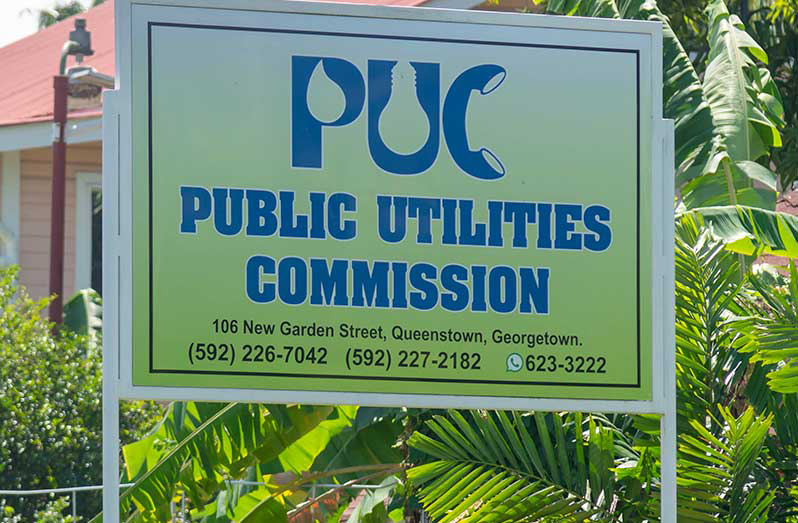
The PUC is an independent statutory body responsible for regulating public utility services such as electricity, water, and telecommunications.
Its primary role is to balance the interests of consumers and service providers, specifically, monitoring the quality of service provided to consumers, maintaining fair and reasonable pricing for services while safeguarding the financial sustainability of operators.