






–White-Griffith says, as gov’t ramps up investment in ‘orange’ economy
GUYANA’S push to develop its ‘orange’ economy is positioning creativity and talent as viable and sustainable career paths for young people navigating their future in the world’s evolving job market.
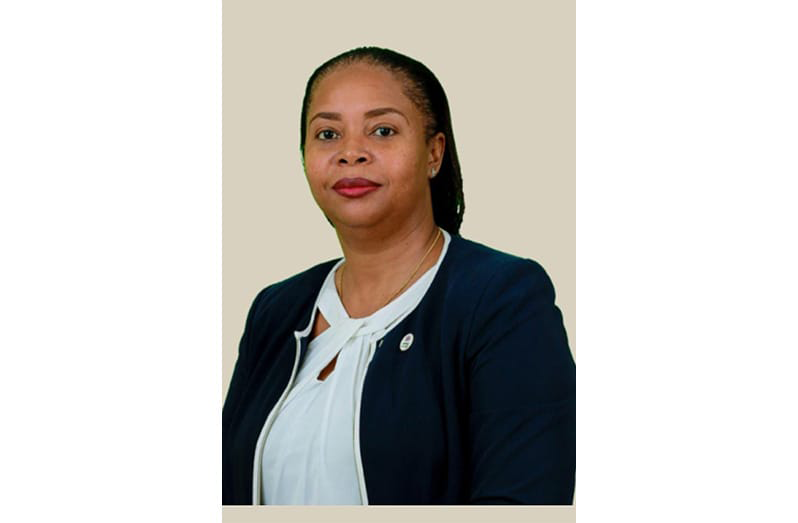
This was according to Chief Planning Officer at the Ministry of Education, Mischka White-Griffith, during an interview on the Starting Point podcast.
She said that the shift challenges long-held perceptions that artistic careers are unstable, while also creating new economic opportunities grounded in culture and innovation.
“Becoming an artist [sic] is not a dream deferred. It doesn’t mean that you will have to struggle,” she said.
White-Griffith related that advancements will be made to ensure that young people see careers in the arts as viable and economically sustainable ones.
She said: “And the ‘orange’ economy… is where a person’s talent now becomes their currency.”
According to White-Griffith, the foundation
for this transformation already exists within Guyana’s education system.
“The groundwork was already there. It’s already happening,” she said.
Against this backdrop, she highlighted programmes within the Allied Arts Department, including sports, theatre and drama, along with technical training offered through the Carnegie School of Home Economics.
White-Griffith said: “We have craft production… bringing the natural environment into a more economically sustainable artifact that represent[s] the Guyanese culture.”
The ‘orange’ economy, she noted, will serve to amplify these efforts, encouraging greater participation and expanding the scope of creative industries.
“It will allow students to dream outside of, I have to have an eight to four Monday to Friday,” she said.
She went on to add, “It gives a new direction, and more importantly, it will become financially stable for those persons who will venture into that economy.”
White-Griffith also underscored the influence of educators in shaping how students and parents perceive these emerging opportunities.
“What the teacher says in the classroom… it becomes the reality for students,” she said.
She added that teachers’ endorsement can legitimise non-traditional career paths, boosting confidence among both students and their families.
“It adds credibility to it, and students are more confident, and parents are more confident to step out of traditional jobs into this new frontier,” White-Griffith said.




