






–in complex, high-risk pregnancy
A 37-year-old pregnant woman with a complex medical history experienced a successful maternal and neonatal outcome following coordinated multidisciplinary care at the Georgetown Public Hospital Corporation (GPHC).
The patient, in her seventh pregnancy at 35 weeks’ gestation, presented to the hospital with a two-day history of abdominal pain, painful urination, fever, and nasal discharge, the GPHC said in a press release on Friday.
Upon admission, her vital signs showed a mild fever and elevated heart rate. An obstetric assessment confirmed a viable pregnancy, and initial tests revealed severe anaemia with a haemoglobin level of 5.4 g/dL, far below the normal range for pregnancy.
Given her history of anaemia requiring transfusion in a prior pregnancy, the internal medicine team was immediately engaged to help optimise her condition, while obstetricians planned for foetal maturation and safe delivery.
On the second day of hospitalisation, the patient’s condition worsened when she developed chest pain radiating to her left arm; this is an alarming sign that prompted cardiac evaluation.
“Test results showed elevated troponin levels, leading to a diagnosis of myocardial injury consistent with a Type Two myocardial infarction, likely secondary to severe anaemia.
“Further investigations detected a positive Helicobacter pylori test and vitamin B12 deficiency, suggesting a possible gastrointestinal source of blood loss. The patient received antibiotics, stomach-protective medication, iron therapy, and vitamin B12 supplementation. Over her hospital stay, she received seven units of packed red blood cells, which gradually improved her haemoglobin levels to 9.1 g/dL,” GPHC said.
Recognising the complexity of her condition, specialists from cardiology, internal medicine, obstetrics and gynaecology, anaesthesiology, and intensive care collaborated to design a comprehensive care plan.
Their goal was to stabilise her blood count and cardiac status, while allowing additional time for safe foetal maturation. However, on the ninth day of admission, both the mother and foetus developed elevated heart rates, prompting the team to perform an emergency caesarean section.
The procedure, carefully planned and executed, resulted in the safe delivery of a healthy infant with minimal blood loss. Both mother and baby recovered well, with post-operative investigations showing improved cardiac markers and haemoglobin levels reaching 10 g/dL prior to discharge.
The GPHC emphasised that this case illustrates the importance of early detection and proactive management of severe anaemia in pregnancy, particularly among women of advanced maternal age, or those with multiple previous deliveries.
The hospital urged expectant mothers to attend antenatal clinics regularly, as early screening for anaemia and nutritional deficiencies—especially iron and vitamin B12—can prevent life-threatening complications.
The institution also reminded the public that heart attacks can occur even in younger individuals and that chest pain should never be dismissed as a simple stomach issue.
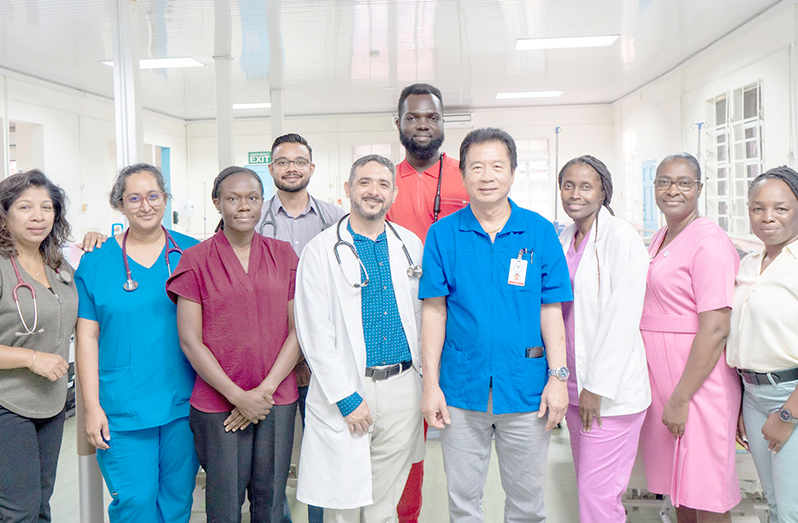
The Georgetown Public Hospital Corporation acknowledged the exceptional teamwork of its multidisciplinary staff involved in this case.
The obstetric team included Dr Guy Low, Dr La Toya Shury, Dr Daniel Odongo and Dr Leticia Samuel; internal medicine was led by Dr Kamela Bemaul-Sukhu, Dr Girish Rambarran and Dr Vedika Latchmi Panday; cardiology support came from Dr Jesus Valdes Alvarez and Dr Omal Owner; and anaesthetic care was provided by Dr Althea Robertson.
The patient also received dedicated nursing care from Sister George and the nursing team.
She was discharged in stable condition on post-operative day three, with follow-up appointments arranged for haematology, gastroenterology, and post-partum care.




