–January 2026 cycle sees 96% of subject entries administered electronically
THE Caribbean Examinations Council (CXC) on Friday reported a successful rollout of the Region’s first fully electronic and hybrid examination session, marking a major milestone in its ongoing digital transformation.
This was disclosed by CXC Registrar and Chief Executive Officer, Dr Wayne Wesley, during a regional press conference. He said the January 2026 examination cycle represented a historic step in modernising the way Caribbean students are assessed.
“For the first time in our history, CXC administered a fully electronic and hybrid examination session for the January 2026 cycle, a landmark achievement in our ongoing digital transformation journey across the Region,” Dr Wesley said.
He reported that 10,481 candidates across 17 Caribbean states participated in the January examinations, accounting for 17,695 subject entries.
The examinations were conducted between January 5 and January 29, four days longer than the 2025 schedule, to accommodate the new electronic delivery format for high-volume subjects such as Mathematics and English.
The Registrar noted that the exercise demonstrated that both students and the regional examination body were ready for the transition to digital testing.
“Students across the Caribbean are ready for e-examinations and CXC is ready to meet the moment,” he said, noting that initial feedback from candidates had been largely positive.
Dr Wesley explained that most students are “digital natives” who are accustomed to operating in online environments, making the transition to electronic examinations a natural progression.
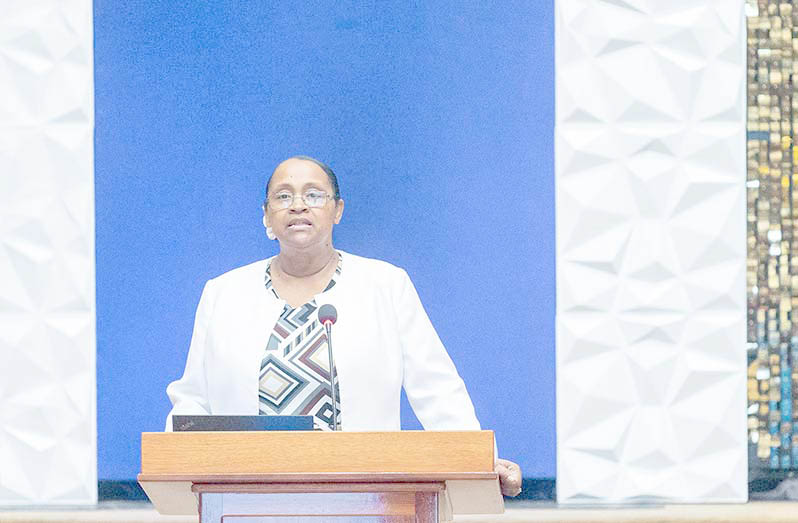
Meanwhile, CXC Director of Operations, Dr Nicole Manning, reported that the data showed 96 per cent of the January examination entries were administered fully electronically, further underscoring the scale of the shift to digital assessment.
She added that the data gathered from the sitting provided valuable insights into the new system.
According to Dr Manning, the digital platform allowed for real-time incident logging, enabling issues at examination centres to be resolved on the same day.
The system also maintained a full audit trail for each candidate, allowing administrators to accurately compensate students for any time lost due to technical delays.
The January sitting was also conducted in the aftermath of Hurricane Melissa, which severely affected parts of Jamaica. In response, CXC granted special humanitarian accommodations to affected schools.
Dr Wesley explained that 708 subject entries across 29 examination centres were permitted to complete their assessments, using the traditional paper-based format.
“This reflects our commitment to equity and compassion in the face of natural disasters,” he said.
Despite some operational challenges during the rollout, Dr Wesley assured stakeholders that none of the issues compromised the integrity of the examinations.
He emphasised that in instances where delays occurred, candidates were given the full amount of time required to complete their papers, and no student would be penalised for irregularities beyond their control.
“Despite the scale and novelty of this undertaking, the January 2026 examinations were carried out successfully,” Dr Wesley said.
“The success demonstrates that digital examination delivery is not only viable, it is the future of the Caribbean.”