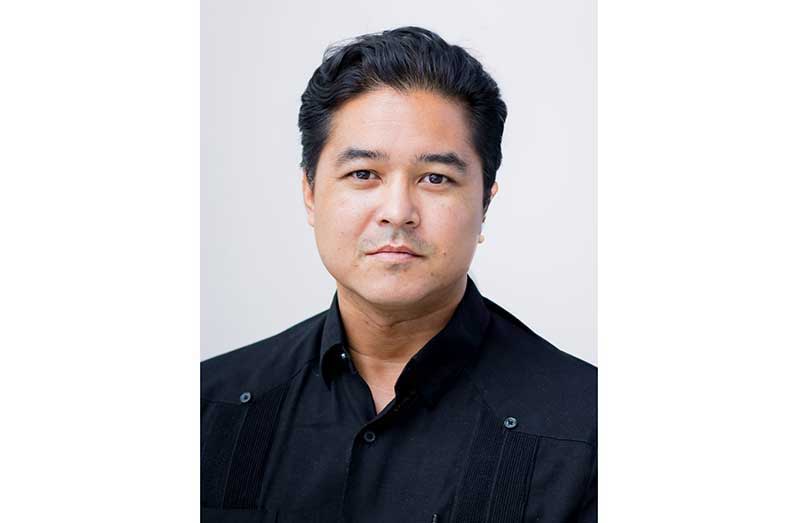
— braces for volatility in trade, energy markets, PSC Chairman says
—urges local businesses to explore upstream, downstream opportunities to enhance energy security
GUYANA’S private sector is closely tracking developments in the Middle East, as the escalating conflict in Iran could see possible disruptions to key shipping routes, supply chains and volatility on the global energy market.
In an invited comment to the Guyana Chronicle, Chairman of the Private Sector Commission, Gerald Gouveia Jr, said the current situation is being assessed in light of previous turbulence seen during the Russia–Ukraine war, with similar trends now anticipated in global energy markets.
“The private sector in Guyana is closely monitoring the events in Iran. Whenever we have seen these kinds of global shifts in conflict or global socioeconomic trends that has direct impacts on the business community in Guyana.
“We have to pay attention specifically whenever we see these kinds of conflicts in the Middle East; we have noticed that it has a direct impact on shipping costs, logistics insurance, as well as the supply for refined fuels and oil products in this part of the world,” Gouveia Jr. said.
HIGHER OIL REVENUES, RISING DOMESTIC PRESSURES
Gouveia Jr projected a period of significant volatility on the global markets and the prices of refined fuels such as gasoline, diesel and aviation fuel. This is expected to disrupt supply chains, drive up shipping, logistics and insurance costs, and create uncertainty in fuel supply.
For Guyana, now an important crude producer through offshore developments and the Exxon production-sharing agreement (PSA), higher global oil prices are likely to translate into substantial increases in state revenue, potentially even doubling returns from crude exports under certain market conditions.
“What we’re expecting is that the market is going to be very volatile for the next little while and that’s going to cause fluctuations in the global oil Brent index, as well as the price of refined fuels being delivered globally. So, I think that what we’re going to start seeing is a lot more volatility,” he said.
However, this creates opportunities, especially for Guyanese businesses to start looking at the upstream and downstream industries around crude production here in Guyana.
“We have to now start looking at ways that we can get more involved in not just the production of the oil, but also the refinement, the distribution, the storage and so on, and that way we can bring a level of energy security and stability to Guyana as well as the Caribbean market,” he said.
SHIPPING CONSTRAINTS AND GLOBAL TRADE RISKS
The conflict in Iran and reported closures or constraints in strategic maritime routes are expected to have a pronounced effect on global shipping dynamics.
“We have to make sure that we’re balancing the increased costs of living that’s going to happen with the rising cost of refined fuels and supply restrictions that we’re going to see on the global shipping industry,” he said, explaining further that the fact remains that Guyana and the wider Caribbean import most of its refined products, fuel products, from gasoline, diesel and aviation fuel.
“We import most of that. So, what we’re going to expect is a rising cost or more volatility in that market and we have to be prepared for that going forward. And this is not just for Guyana, but this is actually the entire Caribbean region.”
These developments are being watched closely by local businesses given Guyana’s growing integration into global markets.
Despite the mounting challenges, Gouveia Jr. acknowledged that the Government of Guyana is already implementing measures to cushion the impact of global shocks. Subsidies for fuel and electricity, including support for the state-owned Guyana Power and Light (GPL), are helping to keep local energy tariffs and operating costs relatively contained despite upward pressure internationally.
“The good news is that we’ve already seen the government subsidising a lot of our fuel costs and our energy prices.”
He added, “Guyana has really established itself as a strong energy leader in the region, and what we have to continue to do is make sure that we look at upstream and downstream opportunities to further enhance our energy security, and we have to continue to work with our allies to develop energy security in the region.”