






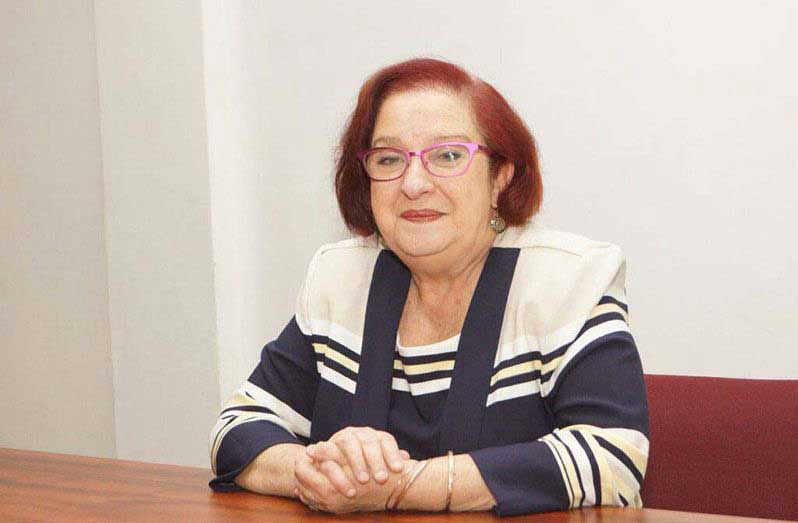
AS Guyana joins the rest of the world in observing International Women’s Day 2026 recently, the country is marking the occasion with a historic moment: veteran politician Gail Teixeira currently serving as Acting President.
President Dr Mohamed Irfaan Ali during the time represented Guyana at the historic “Shield of the Americas” Summit hosted by United States President Donald Trump in Doral City, Florida.
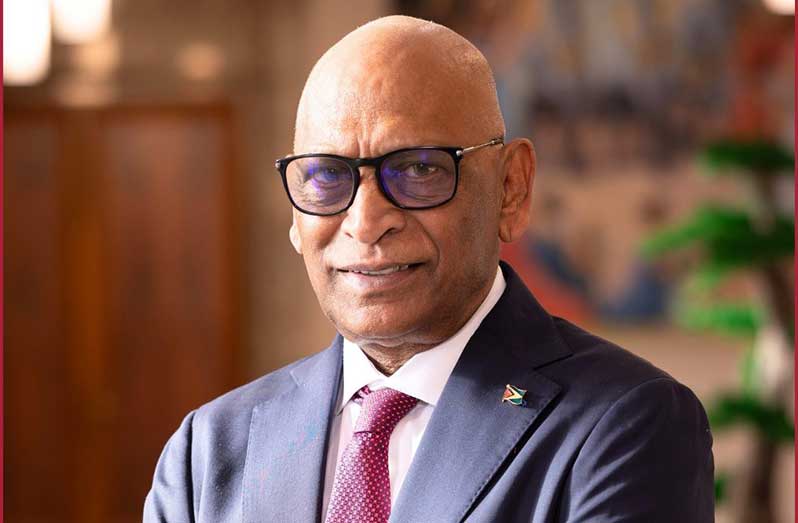
This was highlighted by Guyana’s Ambassador to the United Nations in Geneva, Dr. Leslie Ramsammy, who said the development reflects both the progress of women in leadership and Guyana’s broader commitment to gender equality.
In a message issued by the Permanent Mission of Guyana to the United Nations in Geneva, Ramsammy noted that Teixeira’s appointment is symbolic of the crucial role women have played in the country’s struggle for democracy and development.
Teixeira has served as a government minister and parliamentarian for more than 34 years and has been involved in the fight for freedom and democracy for over five decades. According to Ramsammy, she is among the pioneers of Guyana’s democratic movement and has earned a distinguished place in the country’s history.
“Honourable Gail Teixeira exemplifies the pivotal role women have played in the fight for independence, freedom and democracy,” Ramsammy said, adding that her service continues with “vigour and dignity.”
STRONG GLOBAL STANDING
Guyana’s progress in advancing women’s rights is also reflected in international rankings. In the Global Gender Gap Report by the World Economic Forum, Guyana ranked 31st globally in 2025 for gender equality and first in the category of women’s health and survival.
Women also hold a significant share of leadership positions in the country. About 39.4 per cent of parliamentary seats are held by women, placing Guyana among the countries with the highest female representation in national legislatures. Additionally, 35 per cent of Cabinet members are women, while 70 per cent of judges in the judiciary are women, one of the highest proportions in the Western Hemisphere.
Guyana has also been recognised for its efforts to improve women’s health, particularly in the fight against cervical cancer.
Under the global strategy adopted by the World Health Organization, countries aim to eliminate cervical cancer by achieving the 90-70-90 targets by 2030. These targets call for 90 per cent of girls to receive the HPV vaccine before age 15, 70 per cent of women to be screened by ages 35 and 45, and 90 per cent of women diagnosed with the disease to receive treatment.
Ramsammy said Guyana has significantly increased investments in this effort and has set 2050 as its target for eliminating cervical cancer, while already making notable progress toward the global targets.
EMPOWERMENT THROUGH HOUSING, EDUCATION AND BUSINESS
Beyond health, women are also benefitting from government initiatives designed to expand economic opportunities.
According to the Mission, 85 per cent of housing subsidies issued under the national programme have gone to women, while women account for more than 60 per cent of house lot allocations, the highest level in Latin America.
Women are also surpassing men in university-level graduation rates, reflecting growing access to higher education.
Economic empowerment is also being strengthened through initiatives such as the Women’s Innovation and Investment Network, which has trained more than 90,000 women in areas including information technology, entrepreneurship and technical skills.
Additionally, Guyana is preparing to launch a Micro, Small and Medium-Sized Enterprise (MSME) Bank, which will provide support for small businesses and expand access to interest-free loans for women entrepreneurs.
CHALLENGES REMAIN
Despite the progress, Ramsammy acknowledged that significant challenges remain in achieving full gender equality.
Among the most pressing issues are gender-based violence and disparities in labour force participation. Statistics show that one in two women report experiencing intimate partner violence, while female participation in the workforce stands at about 38 per cent compared with 65 per cent for men.
To address these challenges, the government enacted the Family Violence Act 2024, which strengthens legal protections for victims.
Additional support services include the 914 emergency hotline, the I-Report mobile application, and the establishment of Hope and Justice Centres to assist victims of abuse. The government has also introduced 24-hour daycare programmes to help mothers pursue employment and career opportunities.
Ramsammy said continued collaboration among government agencies, the Women and Gender Equality Commission, Parliament, the private sector and civil society will be essential to close the remaining gaps.
“Guyana can be proud of its continued efforts to achieve gender equality,” he said, noting that the country is celebrating real achievements while continuing the work to create a more equal society for women and girls.
He added that International Women’s Day provides an opportunity not only to recognise progress but also to reaffirm Guyana’s commitment to advancing the rights and opportunities of women both nationally and globally.




