






–rules Bank of Guyana acted lawfully and afforded applicants opportunity to be heard
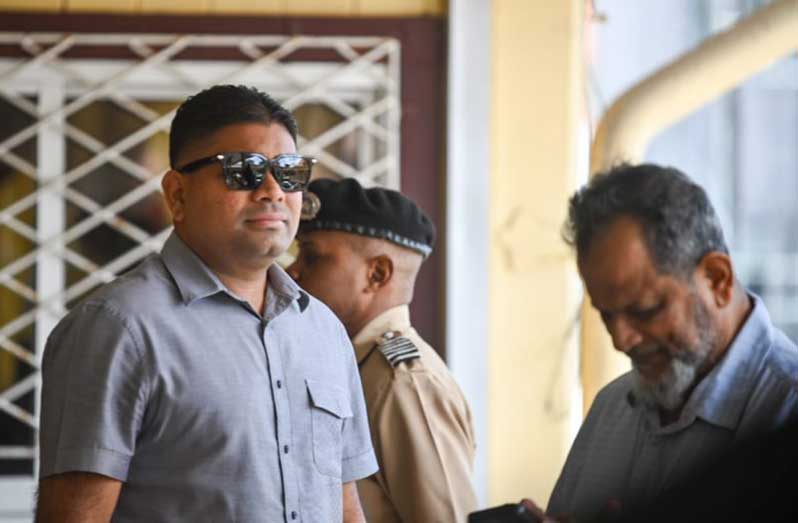
THE High Court of the Supreme Court of Judicature has dismissed a judicial-review application filed by United States-sanctioned businessmen, Nazar Mohamed and his son, Azruddin Mohamed, challenging the revocation of their cambio licence by the Bank of Guyana, ruling that the central bank acted within the law.
In a decision delivered on Thursday, Justice Damone Younge held that the Bank of Guyana was legally empowered to revoke the licence issued to Confidential Cambio after the applicants were sanctioned by the United States Department of the Treasury’s Office of Foreign Assets Control (OFAC).
The father-and-son duo had sought several declarations from the court, including that the revocation of their foreign currency dealer licence was unlawful and that they were denied their right to natural justice. They also sought an order compelling the Bank of Guyana to restore the licence.

However, the court found that the central bank had acted in accordance with the Dealers in Foreign Currency (Licensing) Act, noting that the law allows the bank to consider the character and antecedents of a licence holder when determining whether a licence should be granted or maintained.
Justice Younge stated that the applicants’ placement on the OFAC Specially Designated Nationals (SDN) list had a direct impact on their suitability to continue operating the cambio.
“The appearance of the Applicants on the SDN list would and has, in this court’s view, negatively impacted whatever good character the Applicants may have enjoyed prior to the imposition of the OFAC sanction and at the time they were issued the licence,” the ruling said.
The court further concluded that the Bank of Guyana had the authority to consider that development and determine that the applicants were no longer “fit and proper” persons to operate a foreign-currency business.
“In those circumstances, this court holds that the Respondent had every right, and indeed an obligation, to consider the Applicants’ sanctioned status… and was empowered to revoke the Applicants’ licence on that ground,” the judge ruled.
OPPORTUNITY TO BE HEARD
The applicants had argued that their licence was revoked without being given a proper opportunity to be heard, which they claimed breached the principles of natural justice.
But the court rejected this argument, finding that the Bank of Guyana had invited Nazar Mohamed to attend a hearing on June 13, 2024, to discuss the matter before a final decision was taken.
Evidence before the court showed that Mohamed had acknowledged the invitation via email and confirmed that he would attend the meeting, but ultimately did not show up.
Justice Younge ruled that the invitation itself satisfied the legal requirement for a hearing.
“It is clear to this court that the Applicants were provided with an opportunity to be heard prior to the revocation of the licence, but for reasons known only to them, they did not avail themselves of the opportunity,” the ruling stated.
The judge also rejected the argument that the bank had already made a final decision before the hearing, explaining that the letter sent to the applicants merely indicated an intention to revoke the licence.
“An expressed ‘intention’ to do something is not a ‘final, non-reviewable’ decision to do it,” the court noted.
DELAY IN BRINGING THE CASE
Another key factor in the court’s decision was the timing of the legal challenge. The applicants filed their judicial review application on June 13, 2025, exactly one year after the licence had been revoked.
Justice Younge ruled that this constituted undue delay, especially since the licence had already expired on December 31, 2024.
The court noted that the applicants had failed to explain why they waited so long to bring the matter before the court despite claiming the revocation prevented them from conducting business.
“This fact alone would disentitle the Applicants to the Order of Mandamus which they seek to compel the Respondent to restore their licence, since the court cannot properly restore a licence that had already expired. Added to that, there was no explanation forthcoming from the Applicants as to why they did not act sooner if they felt aggrieved by the decision taken by the Respondent,” the court said in its ruling.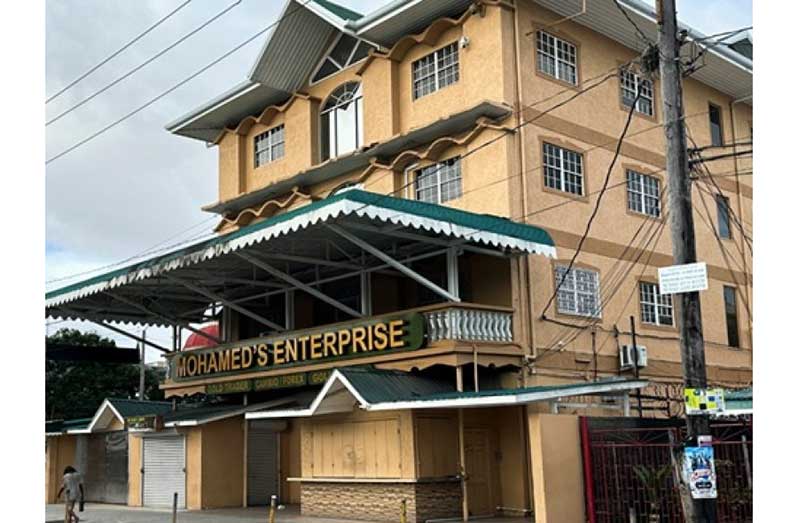
After examining the evidence and arguments presented, the court concluded that the applicants had failed to prove their case.
“In the instant case, the Applicants waited until one year to the day after their licence was revoked …to file their Fixed Date Application. This court considers that this period constitutes undue delay, compounded by the fact that the Applicants did not see it fit to offer any explanation as to why it took them this long to seek judicial review of the Respondent’s decision to revoke their licence. According to them, the loss of the licence meant that they were “unable to carry on business and earn via this business venture.” If that were so, why wait so long to seek relief? Given all the circumstances of this case, this court is not minded to exercise its discretion to grant the Applicants relief under the Judicial Review Act, and on this basis as well, their claim also fails,” the judge ruled.
As a result, the judicial-review application was dismissed and the applicants were ordered to pay $250,000 in costs to the Bank of Guyana, payable by April 10, 2026. The Applicants were represented by Darren Wade and the Respondent, Bank of Guyana by Pauline Chase.
On October 2, 2025, a Florida federal grand jury unsealed an 11‑count indictment against Azruddin and his father Nazar Mohamed for conspiracy, wire fraud, mail fraud, money laundering and customs violations connected to an extensive tax-evasion scheme involving millions of dollars and fraudulent gold exports.
On October 30, 2025, police arrested Azruddin and his father under a U.S. extradition request, moving to process them for transfer to face the U.S. charges. They were granted bail but remain subject to ongoing extradition proceedings in courts.
Specifically, the U.S. has alleged that Mohamed’s Enterprise evaded paying over US$50 million in taxes on gold exports and omitted more than 10,000 kilogrammes of gold from import and export declarations between 2019 and 2023.
Last month, a targeted joint law enforcement operation was carried out at the Lot 29 Lombard Street, Georgetown, after the Special Organised Crime Unit (SOCU) receiving credible information that the cambio was continuing to operate without the required licence.
During the raid, officers seized cash and documents believed to be connected to the alleged illegal financial activity. Reports indicate that just under $2 million in cash was removed from the premises, along with several boxes of documents.
Several video footage were released by SOCU showed what appeared to be a woman entering the building and conducting a currency-exchange transaction.




