






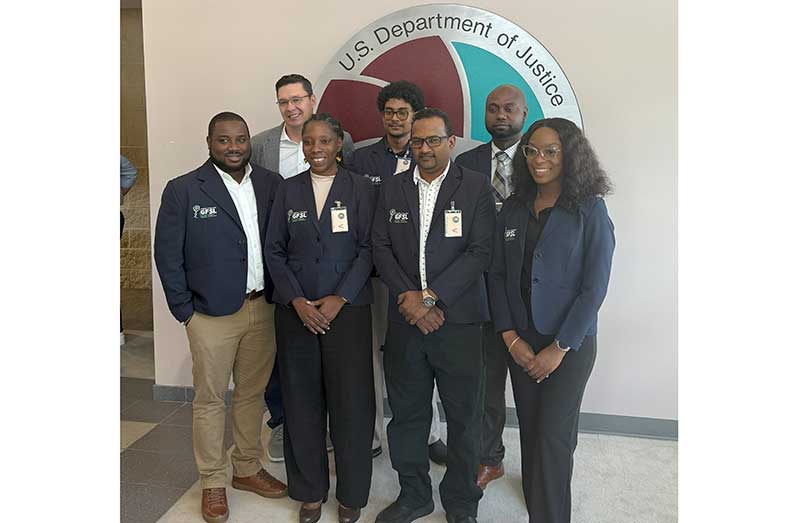
GUYANA’S capacity to detect and analyse dangerous synthetic drugs has received a significant boost following a high-level forensic training exchange hosted in the United States, as regional and international partners intensify efforts to combat the growing threat of fentanyl and other synthetic narcotics across the Caribbean.
The initiative, coordinated by the US Embassy in Georgetown, saw forensic professionals from the Guyana Forensic Science Laboratory participate in a specialised technical exchange held February 9–13 at the Southeast Laboratory of the Drug Enforcement Administration (DEA) in Miami.
The programme was jointly organised by the DEA and the US Department of State’s Bureau of International Narcotics and Law Enforcement Affairs (INL) to strengthen cooperation between the United States and Caribbean partners in identifying and reporting emerging synthetic drug threats through the DEA’s Global Uniform Analysis and Reporting of Drug-Related Substances (GUARDS) system.
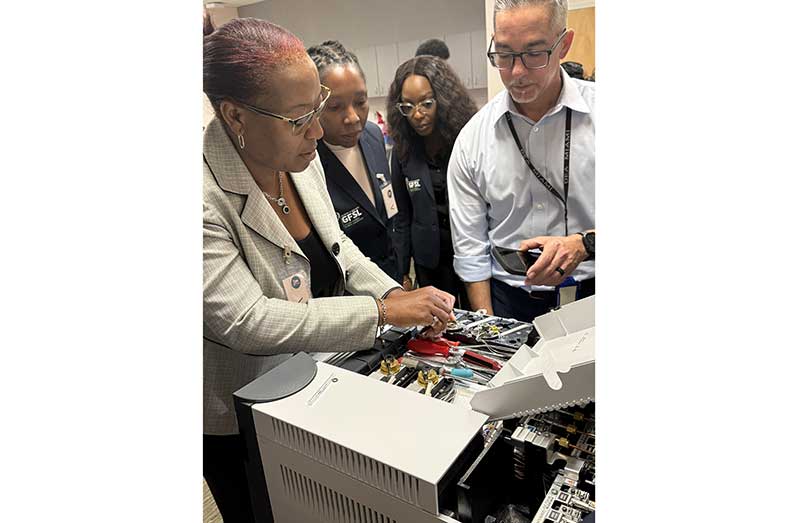
During the exchange, Guyanese participants trained alongside forensic laboratory directors, chemists, and quality assurance managers from Saint Lucia, Jamaica, and The Bahamas. The sessions combined classroom instruction with practical laboratory work, using advanced Gas Chromatography Mass Spectrometry (GC-MS) technology, a critical tool for detecting and identifying synthetic narcotics.
Participants also observed DEA personnel process a 200-kilogram bulk seizure of suspected cocaine, offering real-world exposure to large-scale evidence handling, preservation, and analytical procedures.
Officials said the training directly strengthens Guyana’s ability to safely detect synthetic substances, improve forensic reporting standards, and support law-enforcement investigations targeting transnational drug trafficking networks.
The initiative forms part of broader US efforts to counter the rapid global spread of synthetic opioids. The training aligns with Washington’s implementation of Executive Order 14367, which designates fentanyl as a weapon of mass destruction due to its extreme lethality and growing international impact.
By enhancing forensic capabilities, the programme aims to close critical gaps in detecting synthetic narcotics, improving safe handling procedures, and strengthening evidence management across Guyana and the wider Caribbean region.
Funding for Guyana’s participation was provided through the Caribbean Basin Security Initiative, a US-supported regional partnership involving Guyana and 12 other Caribbean nations focused on dismantling transnational criminal organisations, reducing illicit drug trafficking, and expanding regional security cooperation.
US officials emphasised that continued collaboration with Caribbean partners remains essential as criminal networks increasingly shift towards synthetic drugs that are easier to transport, conceal, and manufacture.
The training, they noted, represents a major step towards building the forensic expertise needed across the hemisphere to detect, interdict, and respond effectively to emerging narcotics threats while strengthening public safety and law-enforcement capacity in Guyana.




