






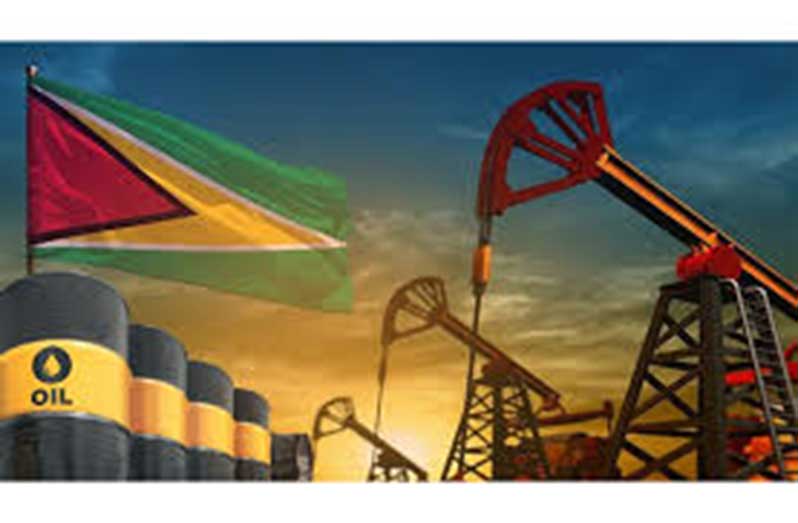
— Energy panel underscores prudent fiscal management, NRF as pillars of sustainable growth
STRONG governance, fiscal discipline and institutional transparency are emerging as decisive factors shaping investor confidence in oil-producing nations, with Guyana’s policy framework being highlighted as a model for sustainable resource management.
This position was advanced during a high-level panel at the Guyana Energy Conference and Supply Chain Expo last week, where international energy and finance experts examined the risks and opportunities associated with managing petroleum wealth.
Director of Sustainable Finance Global Sovereign Solutions at Citi, Jorge Ordonez, emphasised that the mere presence of the oil resource does not guarantee long-term prosperity. Instead, he argued, the critical determinant is how effectively governments manage revenues through transparent, rules-based and forward-looking fiscal systems.
He noted that Guyana’s approach, anchored in strong governance and disciplined fiscal oversight, positions the country to convert oil wealth into sustainable national development rather than short-term consumption.
Central to this framework is the Natural Resource Fund (NRF), established under the NRF Act of 2021 to manage oil revenues in a transparent and accountable manner for the benefit of present and future generations.
The legislation introduced significant governance enhancements, including the creation of an independent Board of Directors responsible for reviewing policies and monitoring the fund’s performance, thereby separating operational oversight from the Minister of Finance.
The Act also requires parliamentary approval for withdrawals and provides simplified, rules-based calculations to ensure that spending aligns with long-term developmental objectives. Operational management of the fund rests with the Bank of Guyana.
Complementing this fiscal architecture are other key legislative measures, including the Local Content Act 2021, which prioritises Guyanese nationals and companies in the procurement of goods and services within the petroleum sector to build domestic capacity and deepen participation in the value chain.
Another major piece of legislation is the Petroleum Activities Act 2023, which modernised Guyana’s oil and gas legal framework, replacing the 1986 Act.
Further, international and domestic investors have taken notice of the economic expansion and prudent fiscal management by the current People’s Progressive Party/Civic (PPP/C) government as Guyana continues to attract global confidence and investment continues to expand.
The International Monetary Fund, in its 2025 Article IV Consultation Report, commended Guyana’s careful and rules-based management of the NRF, describing it as a critical pillar of the country’s long-term economic strategy.
Ordonez, during the panel discussion, said having access to a resource such as oil, which is a global commodity, has significant value as a “growth engine” globally.
“However, having said that whether it remains a risk or an opportunity depends on how that oil wealth is managed right and when governments have strong fiscal and governance frameworks like guarantee, discipline and transparent management of oil [wealth],” he said, adding that it is an opportunity for governments to use oil revenue to fast track development today while building a diversified, receiving economy for the future.
Ordonez further noted that sovereign wealth funds and national funds are very effective tools to help achieve sustainable development.
Robust investment, risk-management policies and checks and balances that foster accountability and transparency at the fiscal level are essential, he said, noting that governments have to have a very clear view on oil production and the expected oil revenues, spending discipline and consensus around the spending priorities.
Finally, Ordonez said there needs to be an institutional commitment and consensus at the highest level, so an economy that is inclusive, diversified, and delivers opportunities and prosperity with transparency and accountability can be created.
Additionally, Deputy Assistant Secretary for International Cooperation at the US Department of Energy, Aleshia Duncan, joined the panel discussion and underscored Washington’s interest in expanding international collaboration and mobilising investment to support sustainable energy growth.
Notably, Director of Projects within the Caribbean Development Bank (CDB), O’Reilly Lewis, said the institution believes that “pursuing regional interconnection is economically rational and technically beneficial and financially bankable, so that would be our focus for the next few years.
Meanwhile, Director of EY Energy Markets Group, Josh Loftus, highlighted the importance of “bankability” in attracting sustained offshore investment, noting that Guyana’s trajectory is positive, given its ability to combine technology, scale and operational expertise with a stable governance environment.
Collectively, panellists agreed that Guyana’s transparent governance architecture, prudent fiscal management and strengthened institutional frameworks are anchoring its oil success and positioning the country to leverage petroleum revenues to drive inclusive, diversified and sustainable economic growth.




