






– as Agricultural Programme advances
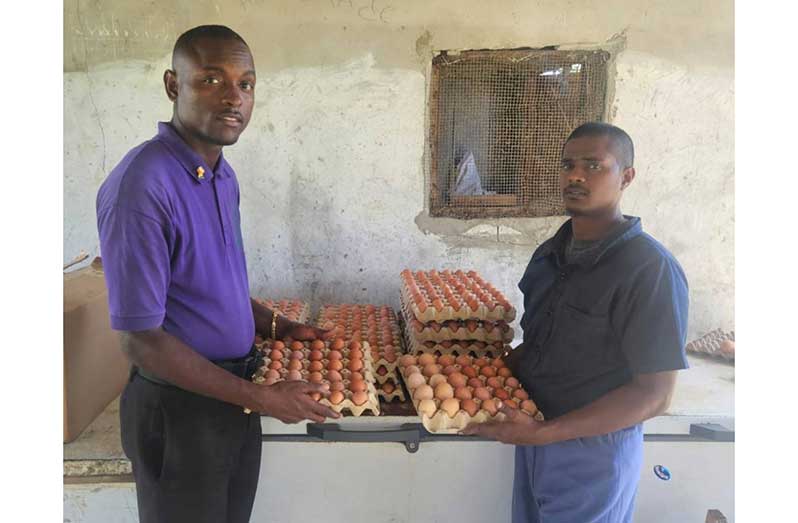
THE Guyana Prison Service’s (GPS) agricultural initiative continues to make notable progress with the egg hatchery at the Lusignan Prison now producing close to 60 trays of eggs daily, marking a significant step in the Service’s efforts to maximise returns from its investments in food production.
According to officials, the hatchery project, part of the GPS’s broader Agricultural Strategic Plan, has steadily increased output and capacity, enhancing food supply sustainability for the prison system while offering inmates hands-on experience in animal husbandry.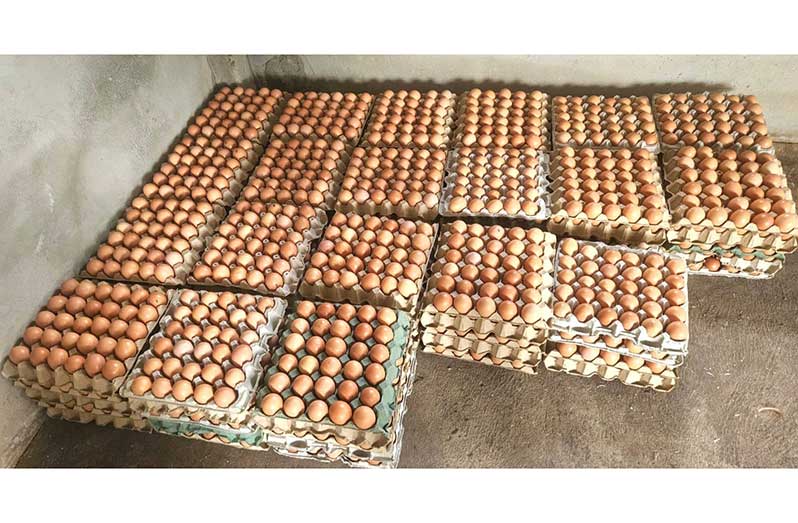
The Lusignan egg hatchery has, in previous years, produced upwards of nearly 1,000 trays of eggs annually, illustrating the scale of its contribution to the programme’s goals.
The agriculture programme, which includes crop cultivation, poultry, and aquaculture, operates at several prison facilities, including Lusignan, Mazaruni, New Amsterdam, and Timehri, and is designed to support inmate rehabilitation through skill development in farming and animal management.
Director of Prisons, Nicklon Elliot, has emphasised that the initiative aligns with GPS’s strategic goal to maximise production from its agriculture investments, and contributes both to internal food self-sufficiency as well as broader national food security objectives.
The agriculture programmes have helped inmates gain practical agricultural and livestock management skills—experiences officials say are critical for re-integration into society upon release. These skills include poultry rearing, crop cultivation, and aquaculture operations such as tilapia farming.
In 2025, the GPS also revived and expanded its agricultural operations following a temporary suspension in 2024 for operational review and the strengthening of supervision protocols.
The reboot included increased procurement of poultry stock and better equipment to support larger-scale farming activities at Lusignan and other prison farms.
As the agricultural programme continues to expand, officials say the focus remains on scaling production while strengthening rehabilitation outcomes for inmates engaged in the projects.




