AS Guyana’s economy continues to grow, the Small Business Bureau (SBB) is urging small and medium-sized enterprises (SMEs) to improve their financial management practices, warning that weak record-keeping and limited financial literacy remain major barriers to accessing financing and business opportunities.
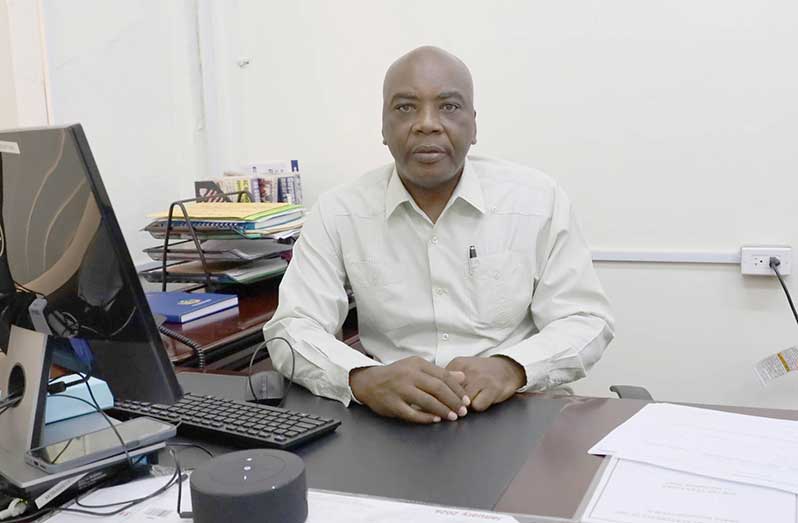
Deputy Chief Executive Officer of the SBB, Simon Pollard, said financial literacy is essential for business survival and long-term growth, particularly as more opportunities emerge in the expanding economy.
“Financial literacy is absolutely necessary for small business owners and managers to have a good understanding of money management if they are going to ensure the business is financially sound to stay in operation,” Pollard said, noting that access to finance remains one of the biggest challenges facing SMEs.
He explained that proper accounting records and tax compliance are key requirements for businesses seeking loans from financial institutions or bidding for government contracts.
“As a business, you are obligated under law to submit that tax return, so that when big days come, and you need a tax compliance, you have already had your submission in there,” Pollard said. “This is especially important if you want to go and bid for something that government is offering out there.”
Pollard said financial literacy forms a central part of the SBB’s mandate under the Small Business Act, which defines a small business as one that employs no more than 25 people, has total assets not exceeding $20 million, and generates annual revenue of no more than $60 million.
To help business owners meet these requirements, the bureau offers training in financial management and record-keeping. Pollard encouraged entrepreneurs to take advantage of these programmes, noting that improved financial practices increase the likelihood of securing financing and expanding operations.
In addition to training, the SBB facilitates access to government support programmes, including loan financing through partnerships with other agencies. Among these is the 20 per cent public procurement initiative, which reserves a portion of government contracts for small businesses. First-time borrowers can also access loans with interest rates capped at six per cent.
“Things like that also help small businesses to become better equipped and even more profitable,” Pollard said.
He also urged business owners to position themselves to benefit from opportunities created by the country’s continued economic expansion, stressing that preparation and financial planning are critical.
“Guyana’s economy is poised for upward mobility. It is very, very promising at this point in time,” Pollard said, adding that small business owners must ensure they are equipped to take advantage of government programmes and emerging opportunities in the years ahead.
The SBB said strengthening financial literacy across the sector is key to improving the competitiveness and sustainability of small businesses, and ensuring that SMEs can play a stronger role in supporting national economic development.