What it takes to make a living in the countryside
FOR most of us living in and around the capital city of Georgetown, work is a simple matter. With countless companies and entities come countless opportunities. But life in villages like Madewini is a bit different. Agriculture was the only option for many years. There was not much in the way of businesses and work. In recent times, tourism has taken flight; five decades ago, however, jobs in the community were few and far between.
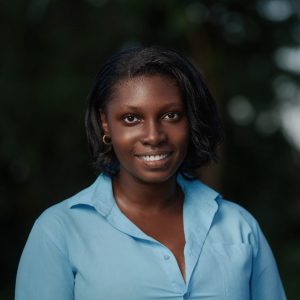
Most people sought work outside of the village, leading many to leave Madewini and impacting its population. Kim Lam has known Madewini as home for as long as she has been alive. She enjoyed life in the community but struggled to leave it for work. So, she invented new ideas for work. From rearing livestock to charging phones, Kim has kept the entrepreneurial spirit alive and well in the community.
Going as far back as possible, Kim’s family has been a part of Madewini as much as the village has been a part of them. She is unsure about how her parents came to live in the village, but her childhood was filled with all the joys of life in the rural outskirts of Guyana. As she shared, “I don’t know how I really got to this place. All I know is that my parents lived here. They died, and we are here now.”
Kim has continued the family name and has raised a family of her own in the village. As she shared, “Now my family lives here, me and my kids, I have four kids. Living in Madewini is very nice to me because you know you have big land and a quiet neighbourhood. My father and mother came up here when I was 10 years old. So, they brought us up, me and my brother, Kevin, here.”
According to Kim, her upbringing in the community was a good and unique experience. She explained that although her childhood was happy, filled with family and friends, it still had its challenges. More recent times make for a far more comfortable life. “Well, it wasn’t bad in a sense. Just transportation was very hard on the highway, but now it’s very much easier. I can see a lot of development now. Before, it was very, you know, lacking in this and lacking in that, but it was always nice. Now we have got solar, we can charge our phones and water,” she explained.

The community has seen development, according to Kim. With the introduction of more people, more small businesses have been emerging. “I would just pray that things continue as they are right now. And we get life for the people. Well, growing up here, we did not have jobs, so we had to go way out to get jobs, and it was pretty hard. And now, we’re getting jobs around here from big companies, so there is development all the time.”
Long before the introduction of big companies, Kim has been a go-getter. She began rearing chickens for a living. After the introduction of solar lights, Kim thought of a new economic venture. A large percentage of Madewini people do not have electricity, but the vast majority of them own cell phones. Kim saw this as an opportunity. She began a ‘charging business’. This unique idea has benefited both Kim and the community, especially those without electricity.
She shared that she does anything to provide for her family. “I’m a farmer. I try to do a little planting and poultry. I raise chickens. I do anything, actually. I’m a hustler.” Being a hustler has brought her a long way. Today, Kim runs a successful agricultural operation. Her business has developed so much, that people venture into the community to support her business.
Kim says she owes her hustler spirit to her mother. Growing up, her mother worked hard and set an example for Kim, who still looks back on it today. As she explained, “Growing up with my mom, she was a seamstress. And she would always keep working day and night. So, I guess that is where I get it from. My mother would go out and bring food for us back in the day.” Most of Kim’s economic ventures have been agricultural, but the phone charging aspect is truly unique. She explained that, like most of the things she sets out to do, it began as a way to help others. “That’s like over 20 years I was pushing, and then the first time I bought a solar panel, I decided to say, you know what, I can make some money.”
Over time, both the business and the community have grown. This has caused a shift in both the prominence of entrepreneurship and the support they receive. As Kim stated, “Well actually every other day if you don’t see someone every day, somebody would come every other day perhaps. Let me just put it down to that. It’s slow, but you still get something coming. You call yourself a hustler.”
Kim lives a quiet life amidst her many businesses. Most of her days are spent working her various jobs. Many people question her ability to manage as many things as she does. To them, Kim says that anything is possible, “I would tell persons that they can do just like me or even more because if they have the opportunity, they can go far.”