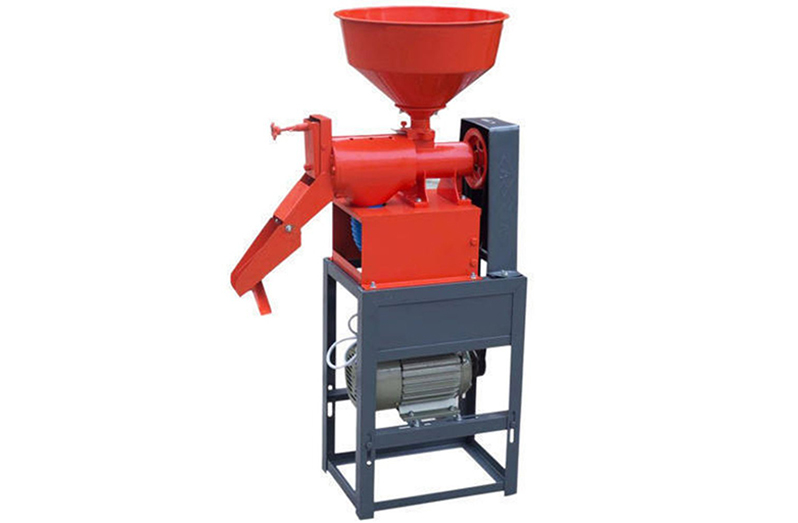
WITH the hopes of ramping up rice production in the hinterland regions of Guyana, the Ministry of Agriculture is looking to procure portable rice mills for farmers.
According to Agriculture Minister, Zulfikar Mustapha, these mills will assist farmers in Region Nine (Upper Takutu-Upper Essequibo) and Region Eight (Potaro-Siparuni) to process their paddy.
“We are looking at the possibility of getting some portable rice mills,” Mustapha said during a broadcast interview on Saturday.
According to the minister, Brazil is known to have this technology, and the government will consider procuring the mills from the country that borders the Region Nine.
“I understand Brazil has those technologies and I’m looking to see if we can source it from Brazil…we can get it for about G$5 million and I think if we have it and we can get it to Guyana, we can give it to villages and they can have their own portable mill to process the paddy,” Mustapha said.
Recently, rice production restarted in Moco Moco, Karasabai, Kumu and several other villages in the South Pakaraima district of the region.
“Moco Moco, I went myself… they have over 10 acres of rice planted there… Kumu is not far from Moco Moco… rice is growing there in the Deep South and they are also looking at Karasabai,” he said, adding: “In the Region Nine areas, there are a number of villages, a number of districts that have embarked on rice production. So, the future looks very bright because people now in those areas are looking forward to growing their own rice.”
According to the minister, rice is also cultivated in Region Eight, at Monkey Mountain.
To support this and other efforts, the Agriculture Ministry has been providing extension services to the rice farmers in these communities through the National Agricultural Research and Extension Institute (NAREI).
“We have been supporting this effort through the seed paddy. We have a combine in Region Nine too and we have a small mill.
“I have our people working there steadily, working there all the time and that is why if there is any issues at all, we deal with it at the Ministry of Agriculture through the GRDB [Guyana Rice Development Board],” he added.
In July 2022, the Agriculture Ministry through the Hinterland Environmentally Sustainable Agricultural Development (HESAD) Project, which is implemented by the Agriculture Sector Development Unit (ASDU), signed $70 million in contracts with several indigenous village leaders.
The villages that had signed contracts were Karasabai, Kokshebai, Tiger Pond, Pai Pang, Taushida, Tipiru, Rukumuta, Yurong Paru, Fairview, and Shea.
In a previous interview with this publication, Region Nine’s Chairman, Brian Allicock, had said that the contracts would boost the livelihoods and improve the economic standing of the beneficiary communities.
Some major ongoing projects in the region are the large-scale production of corn and soya bean, rice and the newly introduced wheat production. For wheat specifically, the project will see 5,000 acres of land in the Rupununi area being utilised for the first outdoor trial of the grain.