






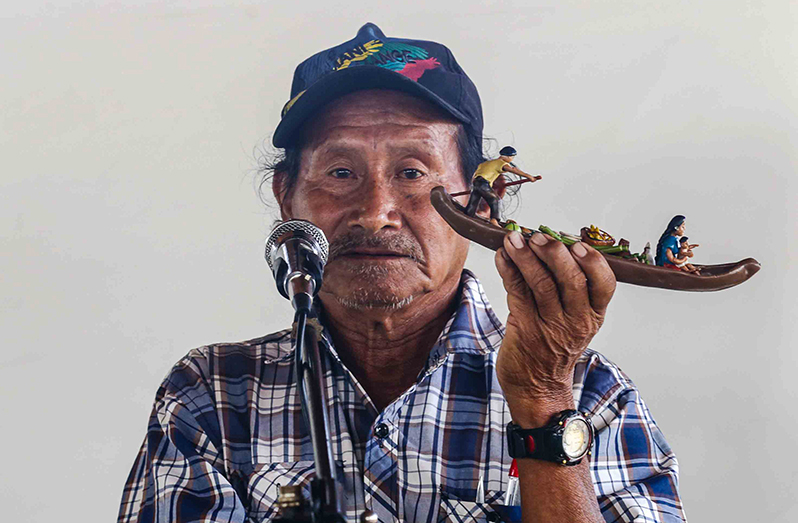
IT is Indigenous Heritage Month and the Protected Areas Commission has joined all of Guyana in celebrating under the theme “Fostering traditional practices for a safe environment”.
The goal of creating protected areas is to ensure unique and representative landscapes are protected and create sanctuaries for species that may be threatened or endangered. The protection of these landscapes also ensure that biological processes remain intact and continue to provide essential services needed for human survival, particularly those who live in and around these landscapes.
However, historically the relationship between Indigenous peoples and protected areas was combative. The policy of creating protected areas was hinged on the removal of any inhabitants that dwelled within the space being targeted for protection, and then preventing those displaced from utilising resources and land within the protected space.
Consequently, protected areas in Guyana were initially introduced in the absence of a formal management system. The first protected area established in Guyana was the Kaieteur National Park (KNP), declared in 1929, without a management plan in place and with little to no consultation with indigenous communities.
Later, global assessments found that, by preventing interactions of the people and the protected landscape, the ecological integrity of the protected space declined. Agenda 21, (an action plan arising out of the landmark United Nations Rio Earth Summit of 1992) then provided an opportunity for Governments to change this policy of removal and disconnect between Indigenous peoples and protected spaces. The first example of this policy being put into action in Guyana was the creation of the Iwokrama Forest.
Iwokrama prioritised community involvement and integrated traditional way of life into its management. Elders, parents and youth were included in management activities through wildlife clubs and the Makushi Research Unit, which allowed for the transmission and preservation of traditional way of life, arts and language. The North Rupununi District Development Board (NRDDB) was created, allowing representatives from indigenous villages in and around Iwokrama to play an active role in the decision-making process.
Learning from the successes of Iwokrama, communities were then actively engaged and consulted during the establishment of the Kanuku Mountains and Shell Beach Protected Areas during 2005 to 2011.
The involvement of Indigenous peoples in the creation and management of protected areas is linked to two things 1. The fact that they have lived within those landscapes for generations and 2. They have accumulated knowledge of the landscapes and their biological processes that can be important for management.
The protection and conservation of natural heritage and public participation are key provisions within Guyana’s Protected Areas Act, which facilitates the inclusion of local communities. The Act also allows for titled indigenous lands to become protected areas, and, more importantly, it protects the right of indigenous peoples to continue the use of resources within the protected areas to practise their traditional way of life.
Over the years the Commission has placed emphasis on employing community members to become Rangers and Officers, since their own knowledge and connection to the area bring much value to management. Mapping of traditional resource use, ensuring that consultations and educational materials are provided in indigenous languages, and supporting traditional livelihoods through the creation of markets for craft are just a few ways in which the Commission has been fulfilling this mandate.
On a much broader scale, the PAC is currently involved in two projects:
The Darwin Initiative- Integrating Traditional Knowledge into national policy & practice
The objectives of the project are to:
* evaluate the opportunities and barriers to traditional knowledge integration with a focus on protected areas;
* create an evidence-based approach for traditional knowledge integration;
* develop a national action plan
The first part of the project involved consultations with communities to identify issues and challenges they face in transmitting traditional knowledge within protected areas and identify possible solutions. Workshops were held and short videos were made which were then shown to policy makers. A policy review was then conducted to identify the level of integration of traditional knowledge in current national policies. The preliminary results of the policy review show that there is a good level of integration within policies related to the sectors of conservation (protected area and biodiversity), culture and human rights. However, there is no recognition of traditional knowledge in policies relating to agriculture, extractive industries (mining and petroleum) and land rights. The national action plan is currently being developed for Guyana.
RENFORSAP – Strengthening the network of protected areas in the Guiana Shield
In partnership with colleagues from French Guiana and Suriname, the PAC is implementing a 3-year regional project that is providing opportunities for protected area managers of the Guianas to learn from each other and share experiences in the areas of illegal gold mining, tourism, participatory science and living cultural heritage.
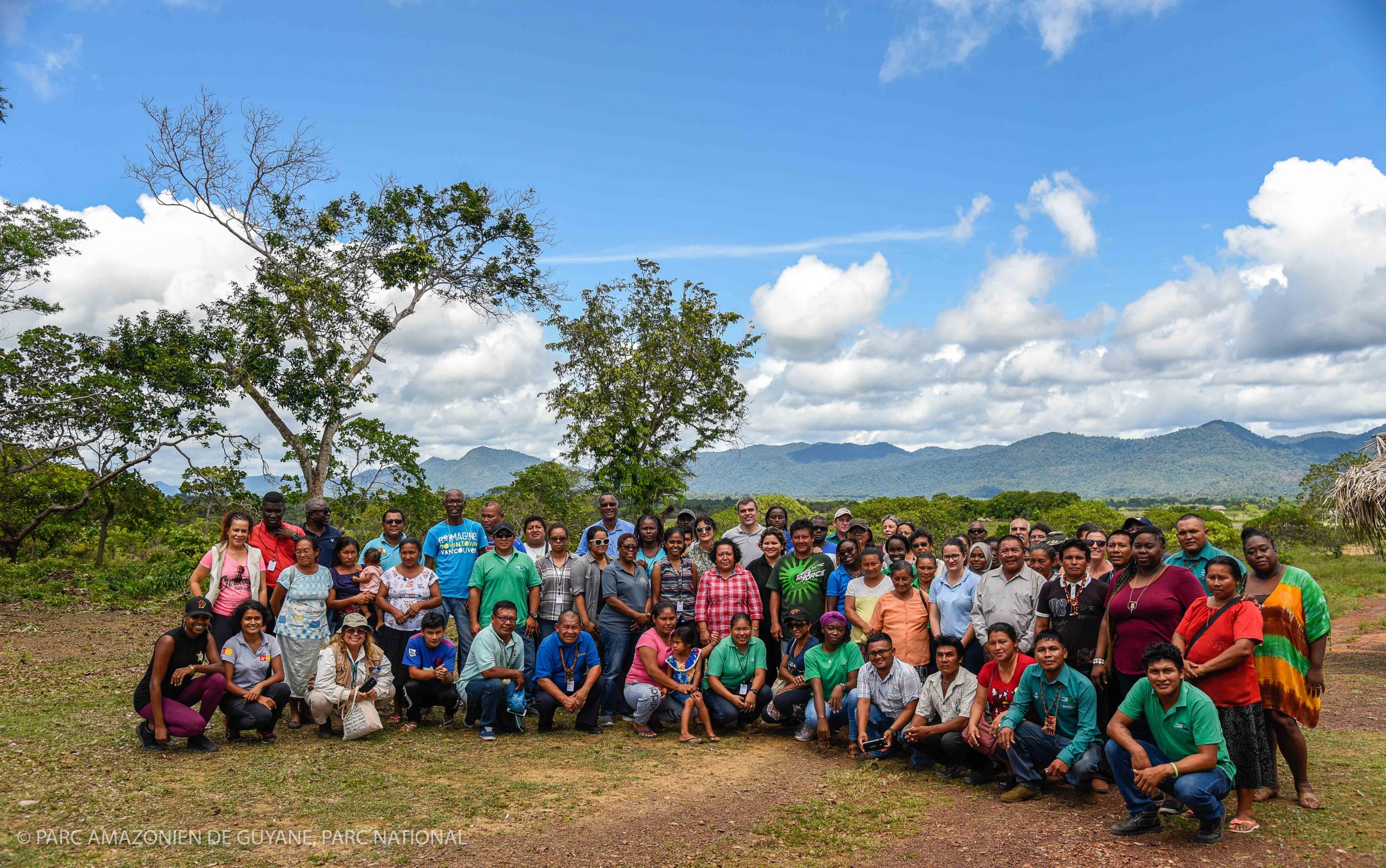
A workshop on living cultural heritage which brought together over fifty representatives and managers of protected areas from Guyana, Suriname and French Guiana was held in Lethem, Region 9 in May 2019. Key discussions were held on the integration of traditional knowledge into policy, practice and decision-making; community involvement; access and benefit sharing; information gathering and safeguarding living cultural heritage; and the preservation and promotion of language. Participants stressed the importance of the need for legislation, having communities at the centre of all actions and decision-making processes.
Through a series of presentations, panel discussions and working sessions, the participants identified opportunities for cooperation among the three countries and provided short – and long-term recommendations towards the development of an action plan for the transmission and use of living cultural heritage in the management of protected areas across the Guianas. The three-day workshop culminated with a field trip to Nappi Village and Manari Ranch and an evening of inter-cultural exchanges among the participants.
The PAC will continue to promote and safeguard traditional knowledge and practices by ensuring these activities can continue in protected areas. The Commission will continue to provide assistance and support to indigenous communities as they explore solutions in strengthening the transmission of knowledge to better manage and maintain a safe environment.
This article was prepared by the Protected Areas Commission in collaboration with Dr. Deirdre Jafferally, In-Country Coordinator, Darwin Initiative Traditional Knowledge Project.




