
LACK of scientists, engineers and mathematicians has been identified as a major issue stymieing innovation in entrepreneurship in Guyana.According to lecturer in the Department of Business and Management, University of Guyana (UG), Mr Eric Phillips, to compete globally, innovation is key and it is underpinned by science, technology and mathematics.
“Ultimately, cheap energy is what will make us better and more competitive entrepreneurs in non-traditional areas because our internal markets are too small and we need to export. With exports, you have to be very, very competitive with other companies in our country,” he said, noting that science and technology can provide the solutions to these challenges.
Stressing the importance of science and technology, Phillips also pointed out that the innovation of scientists and engineers when converted into commercial goods and services redound to huge economic benefits to companies and nations.
And nations that invest more in science, technology and engineering are less likely to be uncompetitive, less innovative, none-pioneering and hugely import-dependent.
He said science and technology must not be separated from business, and stressed the importance of the Ministry of Education focusing more attention on Science, Technology, Engineering and Mathematics (STEM) in the school system.
Phillips, who is also Director of the African Cultural and Development Association (ACDA), told this publication that entrepreneurship is critical to the development of Guyana. This country, he said, needs to robustly diversify its economy.
“Sugar is in trouble, rice is having difficulty, gold – the prices have dropped; we have to look into non-traditional agriculture areas,” he said, but noted that while entrepreneurship is a source of wealth creation and a key driver of the economy, access to capital remain a challenge in the setting up of business.
And for poor women, the challenge is even greater.
GRAMEEN BANK
To address this problem, Phillips believes Guyana should go in the direction of setting up of a Grameen Bank.
Through such a bank, micro-credit loans are based on the concept that the poor have skills that are under-utilised and, with incentive, they can earn more money.
A group-based credit approach is applied to use peer-pressure within a group to ensure the borrowers follow through and conduct their financial affairs with discipline, ensuring repayment and allowing the borrowers to develop good credit standing.

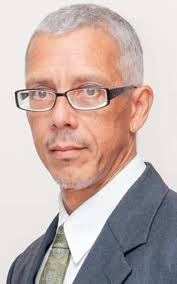
Lecturer, Department of Business, UG Eric Phillips
The bank, the brainchild of Bangladeshi Professor Muhammad Yunus, helps poor rural villagers. The model in Bangladesh also accepts deposits, provides other services, and runs several development-oriented businesses including fabric, telephone and energy companies.
And importantly to note, a large number of the women who took loans from the bank have repaid them. Such a facility here, Phillips said, would require the agreement of the local banking system, and it would also call for beneficiaries to embrace a culture of repayment.
On a broader note, he said, the pushing of entrepreneurship in Guyana has been given a shot in the arm with the establishment of a ministry dedicated to business.
Equally encouraging, the university lecturer said is the news that Go-Invest will be restructured, and the Small Business Bureau will become more active.
“What needs to happen is more promotion of what exists so that the small business people would know where they can go for help,” Phillips said. Small Medium and Micro Enterprises in Guyana are estimated to account for 40 per cent of total employment and contribute significantly to Gross Domestic Product (GDP).
A lot of small businesses take long to grow, especially those selling drinks, ice-cream and fruits, which really is not healthy business.
MARKET OVERCROWDING
“It’s an issue because a lot of people doing the same thing and then you have the Chinese stores selling clothing that young Guyanese use to do, so they are market crowding in some products and services,” Phillips said.
Minister of Business Dominic Gaskin had told the Chronicle that strong attention will be placed on small business development.
This, he said, would also be used as a tool for youth empowerment.
“I don’t think we can say that any one initiative is going to solve this problem. I think small business is critical, I think big business is also critical; the key is more business, which would mean more jobs. But definitely, we have a very keen interest in small businesses, more from the point of view that we want to see our small business community becoming more competitive,” Gaskin said.
Phillips also stressed that businesses must grow and expand, rather than it being persons involved in buying and selling for survival.
But to promote entrepreneurship, persons have to be trained and funding is required. On that note, he urged the Government to pay attention to these matters, and lauded the introduction of the Entrepreneurship at the Caribbean Advance Proficiency Examination (CAPE) level into the school system.
This, Phillips said is a “very critical step” in an “institutional way” to promote entrepreneurship in Guyana.
At ACDA, he said, entrepreneurship is being encouraged. Street vendors every week deposit a $1000 and withdraw their savings during the Christmas season.
Many of them have benefitted from this programme which started 10 years ago.
In fact, towards the encouragement of African to get involved in business, ACDA will host a conference on Black Economics sometime in September.
The organisation will be meeting with the Institute of Private Enterprise Development (IPED) and micro-enterprise organisations on their participation.
By Tajeram Mohabir